
Gagea polidorii
Gagea polidorii
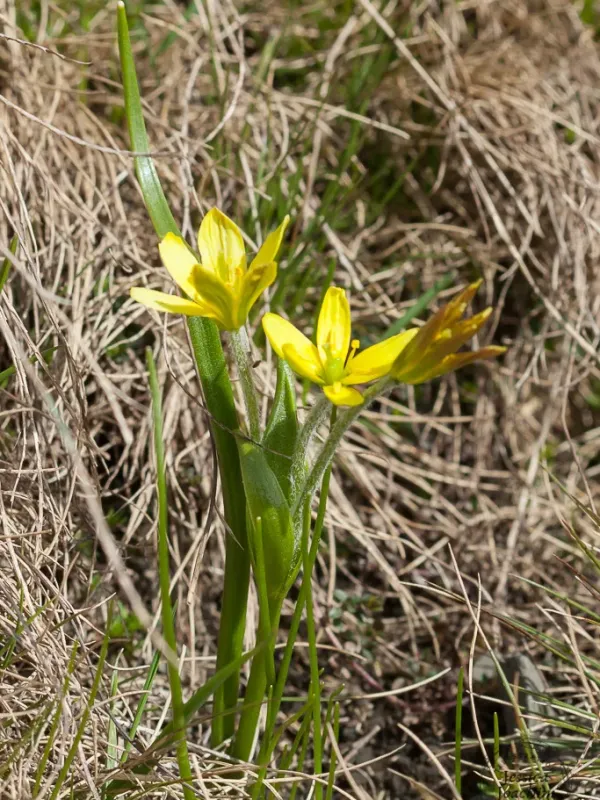
Description
Sowing dates
Gagea polidorii is a perennial herbaceous bulbous plant belonging to the Liliaceae family. This species, often categorized as a spring ephemeral, completes its rapid life cycle early in the year before the canopy of trees or grasses fully develops.
Propagation is typically performed using seeds, which should be sown in the autumn. Sowing in late autumn allows the seeds to undergo natural stratification through the winter, which is essential for successful germination in early spring.
The seeds should be sown in a light, well-draining soil mix, covered with a thin layer of fine soil or sand. Keeping the seedbed moist but not waterlogged during the germination period is critical for early seedling establishment.
In addition to sexual reproduction, vegetative multiplication occurs through the development of offset bulblets. These can be separated during the dormant season and replanted to increase the population density.
Gardeners should monitor for the first leaves to emerge, as they are quite delicate and sensitive to trampling or competitive pressure from aggressive perennial weeds during the initial growing phase.
Growing requirements
This species thrives in sunny to partially shaded environments. Well-draining, sandy loam soils that are rich in organic matter are ideal for maintaining the health of the bulbs throughout the year.
Climate requirements for Gagea polidorii include a cold winter period, which triggers the breaking of dormancy. The plant is remarkably cold-hardy, adapted to survive in regions experiencing significant frost and snow cover.
Water management is the most important aspect of cultivation. While adequate moisture is necessary during the vegetative phase in early spring, the soil must remain relatively dry during the dormant summer months to prevent bulb rot.
Soil pH should ideally be neutral or slightly acidic. Providing a light layer of leaf mulch can help mimic the natural forest floor conditions in which these plants are commonly found, helping to regulate soil temperature.
Adequate air circulation is necessary to prevent the buildup of pathogens, especially if the plants are grown in confined garden areas or containers. Ensure the site receives enough natural light to fuel the photosynthesis required for next year’s bulb development.
Main diseases and pests
Fungal diseases, particularly those affecting the root system and bulb base, pose the greatest threat to Gagea polidorii. These issues are almost always secondary to soil drainage problems or excessive irrigation during the dormant phase.
Pests such as onion flies and various bulb-eating larvae can cause significant damage. Vigilance during the spring emergence is key, as these pests target the soft, succulent tissues of the sprouting leaves and bulbs.
Preventative measures include using clean, sterilized soil components for container culture and ensuring that all bulbs are free of soft spots or mold before planting. Proper sanitation of the garden bed is essential.
Rodents may also pose a problem, especially during winter when food sources are scarce. Using wire mesh cages or protected planting spots can significantly reduce the incidence of bulb damage from burrowing animals.
If fungal growth is observed on the foliage, localized application of a suitable fungicide may be used. However, it is always better to address the underlying moisture issues before relying on chemical treatments.