
Gagea peduncularis
Gagea peduncularis
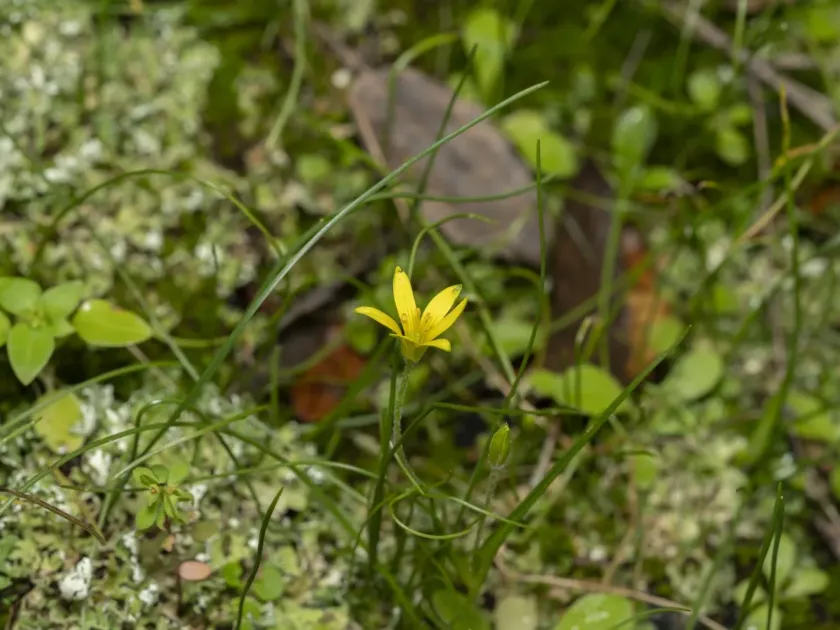
Description
Sowing dates
Planting of Gagea peduncularis bulbs should be conducted in the autumn, allowing the plants to establish their root systems before the soil freezes.
The bulbs are usually propagated by offsets, which should be carefully separated from the parent bulb during the dormant period in mid-summer.
Bulbs are planted at a depth of 5 to 8 centimeters, depending on the soil texture, ensuring that the roots have enough space for development.
Spacing between individual plants should be maintained at about 10-15 centimeters to ensure sufficient air circulation and prevent overcrowding.
Site preparation includes loosening the soil to a depth of 20 centimeters and adding organic matter to ensure proper drainage.
Growing requirements
Gagea peduncularis requires well-drained, fertile, and light soil to thrive, as it is particularly sensitive to stagnant water which causes bulb rot.
These plants are photophilous, preferring sunny or semi-shaded locations that provide plenty of light during their active growth phase in early spring.
Climate adaptation is a key feature, as the plant is an ephemeroid that completes its life cycle before the onset of the hot and dry summer months.
Soil pH levels should ideally range between 6.5 and 7.5, providing the necessary conditions for nutrient uptake during the short growing season.
While the plant needs moderate moisture in spring, it prefers a dry environment once the foliage dies back in the summer dormancy phase.
Main diseases and pests
The main threats to this culture are fungal diseases such as gray mold and fusarium, which are triggered by excessive moisture and poor soil aeration.
Pests such as onion maggots and various bulb mites can severely damage the plant, leading to significant yield reduction in commercial or nursery settings.
Preventive measures include soaking the bulbs in a systemic fungicide solution before planting to protect against soil-borne pathogens.
Crop rotation is strictly recommended, as keeping the same plants in the same spot for several years increases the risk of soil pathogen buildup.
Regular monitoring during the spring growth period helps in early detection of any signs of rot or insect infestation, allowing for timely intervention.
Harvesting
Harvesting for propagation or replanting occurs only after the foliage has turned completely yellow and withered, indicating the end of the vegetative cycle.
Bulbs are carefully lifted using a pitchfork or a spade to minimize mechanical damage to the sensitive outer scales of the bulbs.
After lifting, the bulbs should be cleaned, inspected, and air-dried in a shaded, well-ventilated area for approximately one week to prevent mold growth.
Storage should take place in a cool, dry environment with good air circulation to maintain the vitality of the bulbs until the next planting window.
The containers for storage should be breathable, such as mesh bags or paper crates, which prevent the accumulation of humidity and subsequent decay.