
Gagea nakaiana
Gagea nakaiana
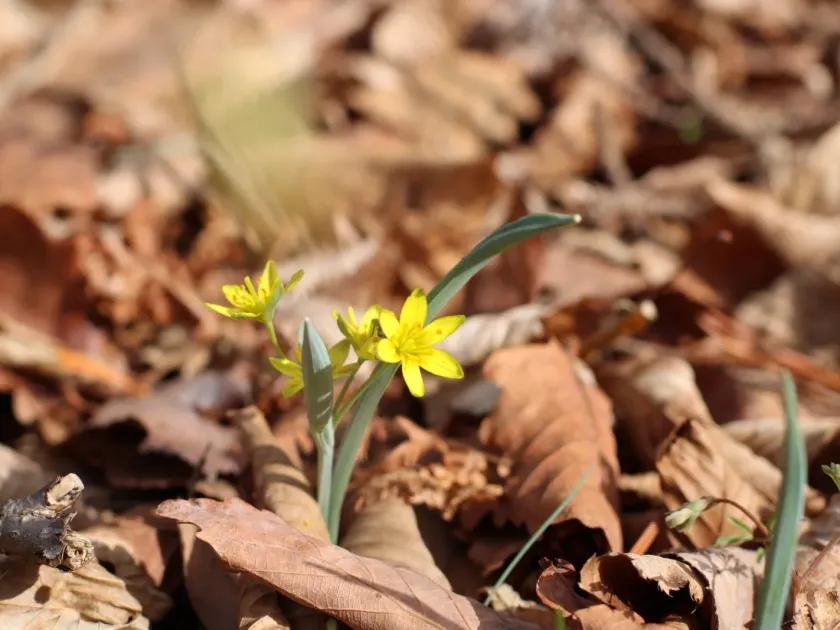
Description
Growing requirements
Gagea nakaiana, commonly known as a type of Goose onion, is a perennial herbaceous bulbous plant belonging to the Liliaceae family. It is classified as a spring ephemeroid, meaning it completes its rapid growth and flowering cycle early in the season, capitalizing on spring moisture before entering summer dormancy.
Originating from the Far East, including regions of Korea and Japan, this plant naturally inhabits sun-drenched meadows, rocky slopes, and open woodlands. Its cultivation is most successful in temperate zones where a distinct cold period and a dry, warm summer are maintained to ensure proper bulb development.
The cultural requirements are strictly defined by the need for well-draining, nutrient-rich soil. Soils with a neutral to slightly acidic pH, such as sandy loams, provide the ideal environment. Poor drainage is the primary cause of failure, as stagnant water leads to rapid rotting of the bulbs during their dormant phase.
Sunlight is a critical factor for Gagea nakaiana. As a light-loving species, it requires direct exposure during its short growing season. If the site is too shaded, the plant will fail to synthesize enough carbohydrates to sustain the bulb through the summer, eventually leading to the loss of the plant population.
Agronomic management involves minimal soil disturbance, as the small bulbs are fragile. Fertilization should be restricted to early spring, focusing on potassium and phosphorus to support flowering and storage, while excess nitrogen is avoided to prevent soft tissue growth that is prone to disease.
Main diseases and pests
The primary threats to Gagea nakaiana are fungal pathogens, specifically those causing grey mold and basal rot. These thrive in waterlogged soil conditions, which are prevalent if the irrigation schedule does not account for the natural drainage capabilities of the planting medium.
Pests, particularly bulb mites and onion flies, pose a significant risk to the plant's structural integrity. These pests enter the bulb through small lesions, quickly compromising the plant's ability to survive the dormant season. Early detection and chemical control are necessary if an infestation is identified.
Weed control is essential not only for resource competition but also for preventing stagnant air pockets around the plant base. Weeds often create the microclimate that promotes fungal spore germination, increasing the risk of disease spread within the patch.
Sanitation practices are vital; infected plant material must be removed and destroyed immediately to prevent the build-up of inoculum in the soil. Replanting in the same area without soil sterilization is discouraged for multi-year cultivation cycles.
Overall, maintaining a consistent balance between soil aeration and moisture is the most effective defense against the majority of biological threats. Integrated pest management, focusing on early-season observation, ensures the longevity of the population.