
Gagea micrantha
Gagea micrantha
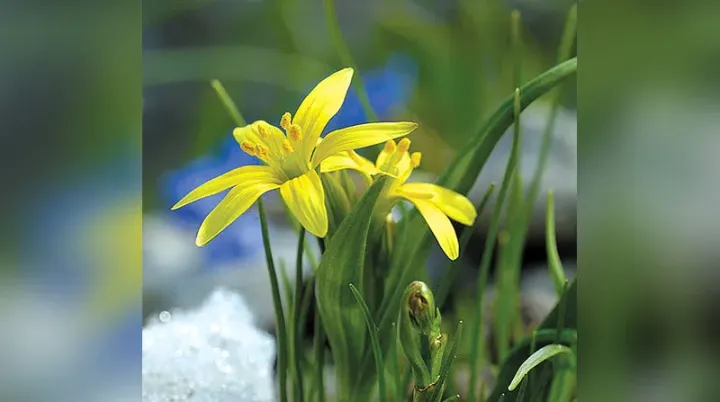
Description
Growing requirements
Gagea micrantha is a perennial bulbous plant belonging to the Liliaceae family. It is classified as an ephemeral species, completing its active growth and reproductive phases within the brief spring period before the onset of summer dormancy.
The plant requires well-drained, nutrient-rich soils, preferably with a loamy texture. Proper drainage is essential to prevent bulb rot, which is a major physiological challenge during the dormancy phase in the warm summer months.
The native range of this species covers various temperate regions of Eurasia. It thrives in open woodlands, meadows, and rocky slopes where light penetration is sufficient during the early spring growth phase.
Regarding climate, the plant is highly adapted to temperate zones, requiring a period of cold dormancy to trigger flower development. It performs best in regions with distinct seasonal shifts and moderate spring temperatures.
Management involves ensuring adequate soil moisture during the spring thaw and protecting the site from weeds that could compete for light. As an ephemeral, it requires no maintenance once the foliage dies back completely.
Main diseases and pests
The primary threats to Gagea micrantha include fungal pathogens like Fusarium, which attack the bulbs if the soil remains overly saturated for extended periods during the transition to dormancy.
Pests such as wireworms and various species of larvae can cause severe damage by consuming the bulb's interior, often leading to secondary bacterial infections that destroy the entire plant.
Environmental stress, particularly prolonged spring droughts, can hinder the plant's ability to accumulate sufficient nutrients, leading to poor flowering in the subsequent season.
Effective management includes regular inspection for signs of decay, avoiding over-fertilization with nitrogen, and using fungicide treatments if soil conditions are unfavorable.
Maintaining soil hygiene by removing decaying vegetation around the bulbs helps reduce the risk of infestation by soil-borne pathogens and pests common in bulbous crops.