
Yellow star-of-Bethlehem
Gagea lutea
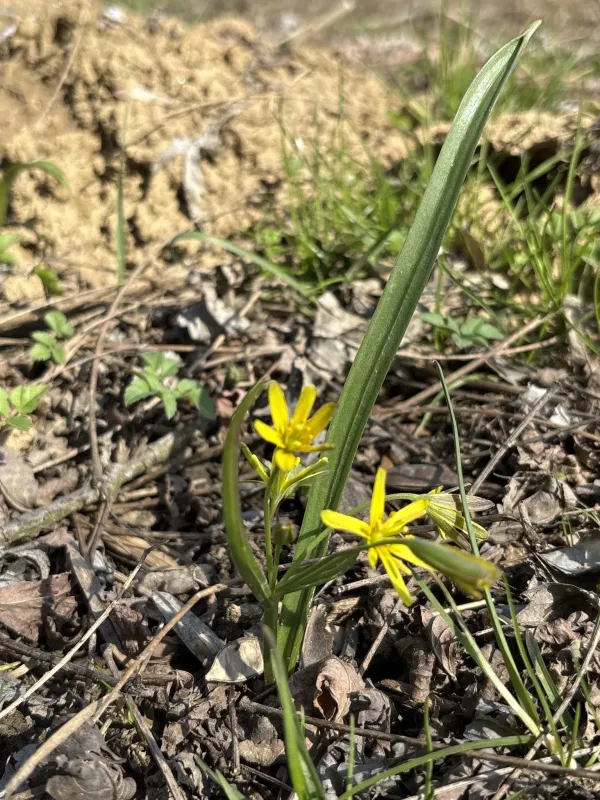
Description
Growing requirements
The yellow star-of-Bethlehem (Gagea lutea) is a perennial bulbous plant belonging to the Liliaceae family. It is classified as an ephemeral, completing its growth cycle in the early spring months.
The plant thrives in moist, nutrient-rich soils, commonly found in deciduous woodlands and shaded meadows where organic matter content is high.
Developmental requirements include sufficient sunlight during the early spring stage, allowing the plant to photosynthesize and store energy before the canopy fully closes.
Agricultural management of the species requires minimal intervention due to its natural adaptability. However, ensuring a stable, well-draining soil structure is essential for the healthy proliferation of its bulbs.
Temperature tolerance is a hallmark of this species, as it is biologically optimized to withstand the freezing conditions common to early spring environments in temperate regions.
Main diseases and pests
The primary threats to Gagea lutea include fungal pathogens, particularly those causing bulb rot, which are often triggered by waterlogged soil conditions.
Pest activity, specifically from soil-dwelling larvae, poses a risk by damaging the basal plate of the bulb, potentially leading to systemic plant weakness.
Small mammals and rodents may also impact bulb populations by foraging, which can lead to significant losses in managed landscape settings.
Good soil drainage and proper spacing are the most effective non-chemical methods for preventing disease outbreaks within a patch of these ephemerals.
There are no specific widespread agricultural pests for this wild-type crop, though environmental monitoring is advised to maintain optimal plant health.