
Lusitanian star-of-Bethlehem
Gagea lusitanica
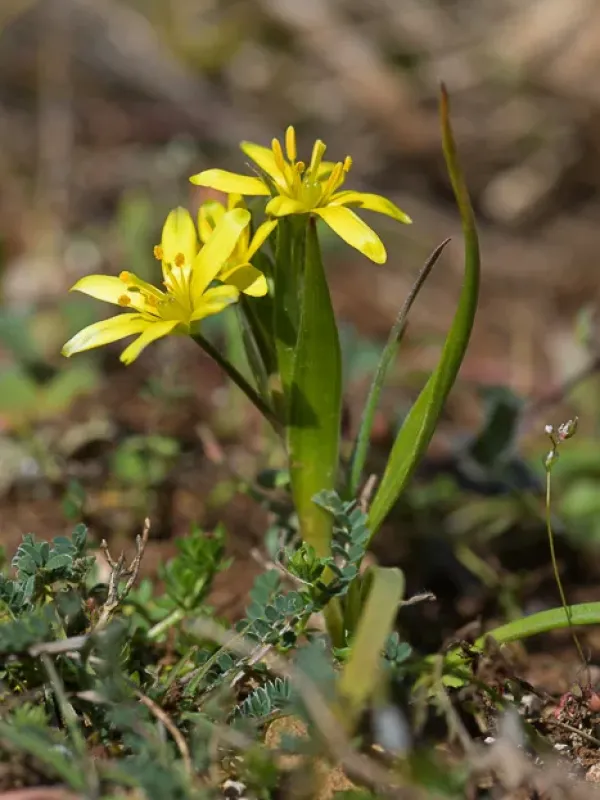
Description
Growing requirements
The Lusitanian star-of-Bethlehem (Gagea lusitanica) is a perennial bulbous plant belonging to the Liliaceae family. Recognized as a specialized bulbous crop, it is highly valued for its early spring flowering cycle and minimal maintenance requirements.
Its natural distribution is centered in the Mediterranean region and the Iberian Peninsula. The plant thrives in well-drained, fertile soils with neutral pH levels, making it ideal for rock gardens or specialized floral landscapes.
As a spring ephemeral, the plant has a unique physiological development pattern. It completes its entire growth and reproduction cycle in the early spring, relying on reserves stored in the bulb before the onset of summer drought.
Agricultural success depends on providing full sun exposure during the active growth phase. While it can tolerate partial shade under trees, consistent light availability ensures vigorous development and healthy bulb reproduction for the next season.
Proper cultivation requires a light soil structure. Improving aeration and ensuring that the bulb remains dry during the dormant summer period are critical factors for preventing rot and ensuring long-term plant survival.
Main diseases and pests
Fungal diseases, particularly those affecting the root zone and bulb tissues, remain the primary threat. Overwatering, especially during the dormant stage, frequently leads to the development of rot and fungal infections.
Pests such as onion flies and bulb mites can significantly compromise crop health. Implementing integrated pest management strategies, including the use of certified healthy planting material, is highly recommended for commercial growers.
Soil-borne pathogens may accumulate if the crop is not rotated, leading to a decline in plant vigor over time. Periodical relocation or soil renovation is essential for maintaining a healthy planting site.
Small rodents can pose a physical threat to the bulb population. Protective wire mesh or biological deterrents are often used in ornamental gardens to preserve the bulbs from consumption by wildlife.
Mechanical damage during the harvest or planting process can serve as an entry point for bacteria. Ensuring careful handling and prompt planting after the resting period reduces the risk of infection and improves overall yield stability.