
Gagea libanotica
Gagea libanotica
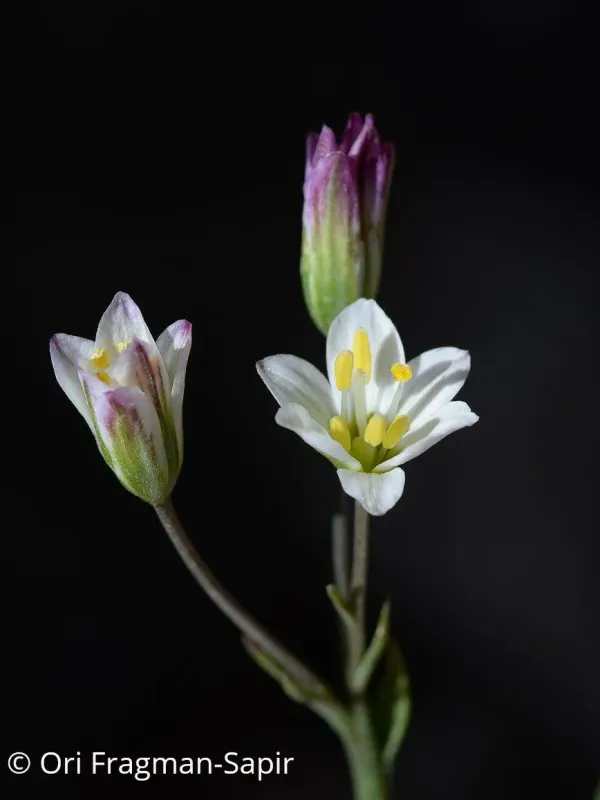
Description
Sowing dates
Bulb planting is best performed in late summer or early autumn when the plants are dormant. This allows the root system to establish itself before the ground freezes in colder climates.
Plant the bulbs at a depth of approximately 5 to 7 centimeters. A porous soil mix is essential to ensure that the bulbs do not rot during the damp transition between seasons.
Seed propagation is possible but slower, requiring patience. Seeds should be sown fresh in well-drained substrate, as they need a natural period of cold stratification to germinate properly.
Once planted, it is advisable to mark the location clearly, as the plant disappears from the surface completely during the summer months. Avoid intensive cultivation or digging in the vicinity of the bulbs.
The plants appreciate a light mulch in areas with harsh winters to provide insulation. During the spring growth phase, moderate moisture is beneficial, but the soil should never remain waterlogged.
Growing requirements
Gagea libanotica is a perennial herbaceous plant belonging to the Liliaceae family. It is known as a spring ephemeral, completing its growth cycle early in the year before the heat of summer arrives.
The plant originates from the Levant region and parts of the Eastern Mediterranean, where it typically inhabits rocky slopes and mountainous meadows. It is well-adapted to environments with thin, nutrient-poor soils.
Botanically, it features a small bulb, narrow basal leaves, and bright yellow star-shaped flowers. The plants usually grow in small clusters, creating a vibrant display when blooming in early spring.
Successful cultivation requires full sun exposure and soil that provides excellent drainage. Because it is an ephemeral plant, it thrives in spots where it can receive spring light before larger trees or shrubs leaf out.
It is primarily valued in rock gardens and naturalized planting schemes. Its small stature makes it suitable for border fronts where it can establish itself and spread through bulblet offsets over time.
Main diseases and pests
Excessive soil moisture is the primary threat to Gagea libanotica, as it quickly leads to fungal rot of the bulbs. Ensuring adequate drainage is the most effective preventative measure.
Common diseases include basal rot and various fungal pathogens that thrive in compacted, wet soil conditions. Treatment with systemic fungicides prior to planting can help mitigate these risks.
Pests such as bulb mites and onion flies can damage the subterranean parts of the plant. Maintaining good garden hygiene and removing infested plants promptly helps prevent the spread of these pests.
Small rodents can also be problematic, as they may dig up and eat the small bulbs. Protecting bulbs with wire mesh during planting is a recommended practice in areas with high rodent populations.
Regular monitoring of the planting site is essential, especially during wet springs. By maintaining a clean and well-drained environment, the risk of disease and pest infestation is minimized significantly.