
Gagea
Gagea hybrids
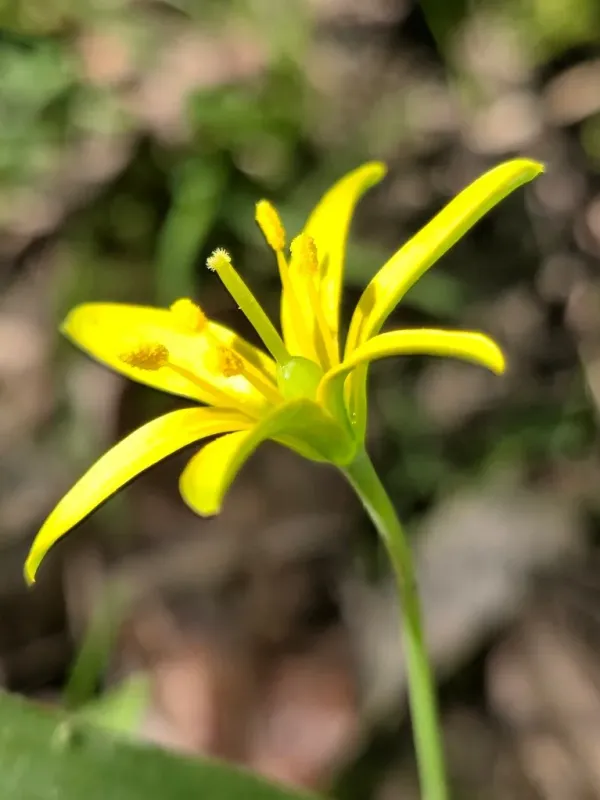
Description
Growing requirements
Gagea, commonly known as goose onion, is a genus of bulbous plants belonging to the Liliaceae family. These plants are recognized as spring ephemeroids, completing their life cycle within a very short period to capitalize on early season soil moisture.
The origin of these plants is primarily in temperate regions across Eurasia and North Africa. Due to their evolutionary adaptation, they develop quickly in the early spring, storing essential nutrients in their bulbs to survive the dry summer dormancy period.
The crop thrives in well-drained, fertile, and light soils. High moisture retention without drainage can be detrimental, leading to bulb decay during the dormant phase. Therefore, choosing a site with a slight gradient or naturally sandy soil is highly recommended.
Regarding climatic requirements, the plant is well-adapted to fluctuating spring temperatures. It requires a significant period of winter chill to trigger active growth in the spring, making it highly resilient to late spring frost events that may affect other crops.
Cultivation practices involve minimal tillage, as the root systems are shallow and easily damaged by mechanical operations. Regular monitoring for nutrient deficiencies in the soil is recommended to ensure robust floral and vegetative growth during the brief season.
Main diseases and pests
Fungal diseases such as Fusarium wilt and various forms of bulb rot constitute the primary threats to Gagea cultivation. These pathogens are often exacerbated by poor drainage or excessive humidity levels during the spring growth phase.
Pests such as onion flies and mites can severely impact the quality of the bulbs, tunneling through the plant tissue and weakening the entire population. Early detection is crucial to prevent widespread loss of the commercial crop.
Integrated Pest Management (IPM) strategies are highly effective for this crop, emphasizing the use of healthy, disease-free planting material. Proper sorting and inspection of bulbs before planting can significantly reduce the pressure from soil-borne pathogens.
Chemical control measures should be applied selectively and only when necessary to protect the natural balance of the growing environment. Fungicidal dips prior to storage are standard practice to maintain the health of the bulbs for the next season.
Maintaining proper hygiene in the field, including the removal of infected plant debris and weeds, acts as a preventative barrier. These efforts limit the nesting sites for pests and reduce the inoculum density of fungal spores that might overwinter in the soil.