
Gagea hiensis
Gagea hiensis
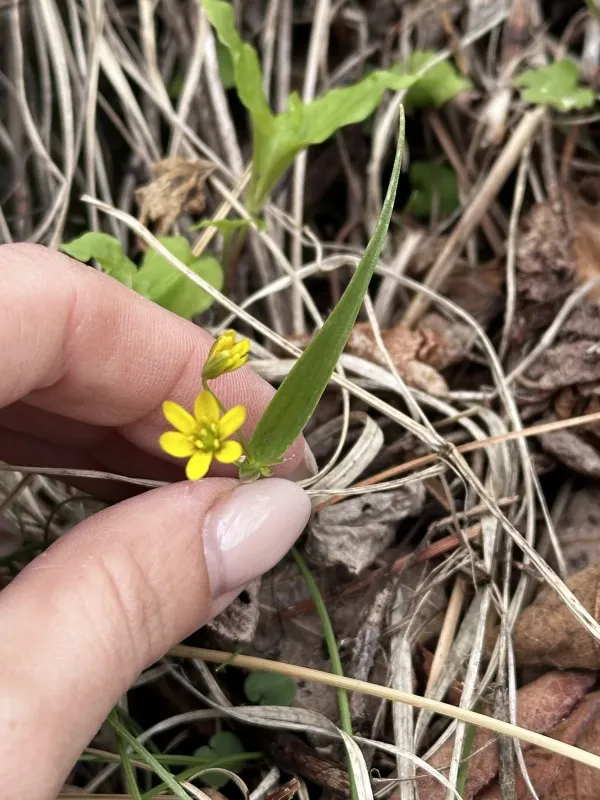
Description
Sowing dates
Gagea hiensis is an early spring ephemeroid. The optimal time for planting bulbs in the open field is late summer to early autumn, allowing sufficient time for root development before the ground freezes.
For seed propagation, sowing should be done immediately after harvesting the seeds because their viability decreases rapidly. It is recommended to use seed trays or pots to maintain better control over environmental conditions.
Planting depth should be approximately 5 to 7 centimeters depending on bulb size. Proper spacing is crucial to prevent competition for nutrients during the short spring growing season.
Vegetative propagation using offsets is the preferred method for maintaining the desired characteristics. Offsets are separated from the parent bulb after the aerial part of the plant has turned yellow.
Site selection is key; choose areas that do not suffer from water stagnation in early spring, as excess moisture can lead to bulb decay during the dormant phase.
Growing requirements
The plant thrives in sunny locations that provide full exposure in early spring. It is highly adapted to growth before the canopy of trees and shrubs fully develops.
Well-drained, light-textured soils such as sandy loams are ideal for this species. Poor drainage is the most common cause of failure in cultivating this bulbous plant.
Soil moisture should be sufficient during the active growing phase in spring. However, during the summer dormancy period, the plant prefers a drier environment to avoid fungal issues.
A neutral to slightly alkaline pH is preferred. The soil should be fertile enough to support the rapid growth of the plant within a very short timeframe.
Regular maintenance includes removing competing weeds early in the season, as the plant is relatively small and can be easily suppressed by vigorous ground cover.
Main diseases and pests
The most common threats include various fungal pathogens that cause bulb rot when the soil remains too wet for extended periods.
Insects like wireworms and onion flies can damage the underground parts of the bulb, causing stunted growth and potential plant loss if left unchecked.
Small mammals, particularly rodents, often seek out the nutrient-rich bulbs, which can lead to significant damage in garden settings during winter.
Prevention relies on using disease-free planting material, treating bulbs with appropriate fungicides before planting, and ensuring adequate soil aeration.
Monitoring the growth area for signs of wilting or discoloration in early spring allows for early intervention and mitigation of pest or disease outbreaks.