
Greek gagea
Gagea graeca
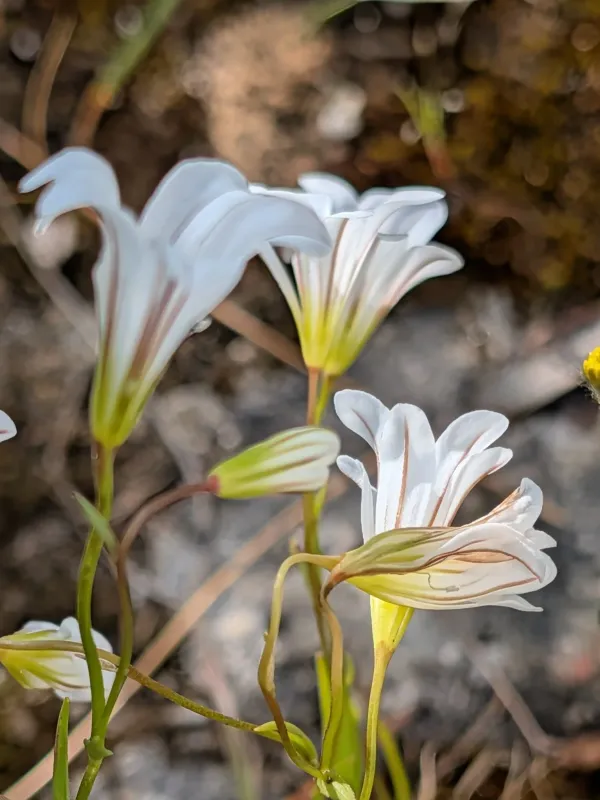
Description
Growing requirements
Greek Gagea (Gagea graeca) is a member of the Liliaceae family. It is a perennial bulbous plant that functions as a spring ephemeroid, characterized by a rapid growth cycle during the early spring months followed by dormancy during the arid summer season.
The species is native to the Mediterranean region and the Balkan Peninsula, naturally thriving in rocky outcrops, dry grasslands, and sparse woodland areas. Its evolutionary history has made it highly adapted to environments with high light intensity and seasonal moisture availability.
Successful cultivation of this species requires well-drained, porous soil. Sandy or gritty substrates are ideal, as they mimic the natural drainage conditions of its native habitat and prevent the moisture retention that can lead to bulb rot.
Regarding climatic needs, Greek Gagea performs best in locations with mild, wet winters and hot, dry summers. In agricultural settings, it is essential to ensure that the site receives full sun to promote healthy flowering and the maturation of daughter bulbs.
Agronomic management focuses on the critical period of summer dormancy. The site must remain dry throughout the summer months to prevent premature decay of the bulbs. Avoid over-fertilization, as this plant is adapted to nutrient-poor soils and may suffer from excessive nitrogen levels.
Main diseases and pests
The primary threats to Greek Gagea are fungal pathogens, specifically those causing basal rot and gray mold (Botrytis). These conditions are almost exclusively linked to poor drainage and waterlogged soil conditions during periods of dormancy.
Pests such as the onion fly larvae pose a significant threat to the plant's structural integrity. These larvae bore into the bulb, causing severe damage that often kills the plant or leaves it vulnerable to secondary bacterial infections that spread through the bulb cluster.
Integrated pest management for this culture involves careful selection of planting material. Ensuring that bulbs are healthy and free of mechanical damage before planting is the first step in preventing the establishment of soil-borne pests and pathogens.
Environmental management remains the most effective control method. By ensuring the soil does not remain saturated, the risk of pathogen colonization is greatly reduced, as the anaerobic conditions required by most bulb-rotting fungi are eliminated.
In cases of infestation by mollusks, such as slugs or snails, mechanical barriers or organic molluscicides may be utilized during the wet spring phase. Monitoring the foliage early in the season is recommended to detect any signs of feeding damage before it impacts the bulb's energy reserves.