
Glacier Gagea
Gagea glacialis
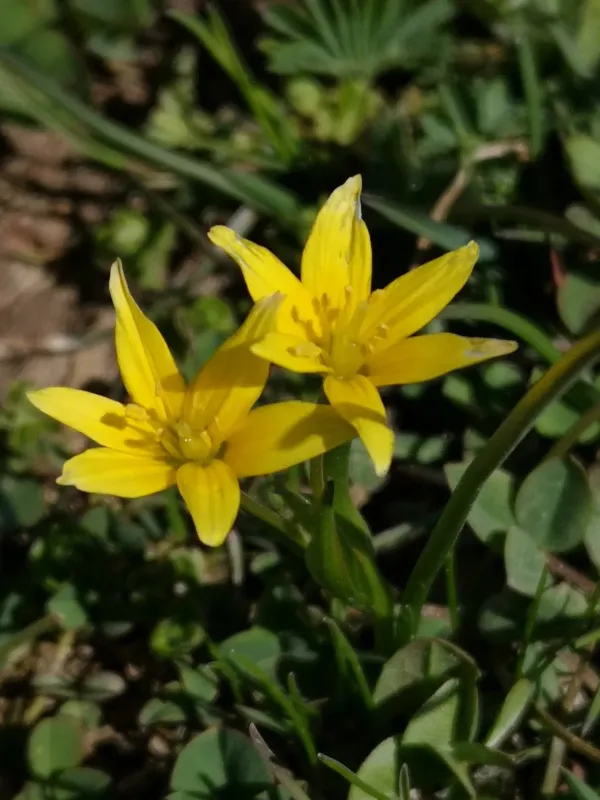
Description
Growing requirements
Glacier Gagea (Gagea glacialis) belongs to the Liliaceae family. It is a perennial bulbous plant uniquely adapted to the harsh conditions of high-altitude ecosystems, where temperatures remain low for the majority of the year.
The native habitat includes rocky alpine slopes and glacial moraines in the mountain regions of Central Asia. The species typically thrives at elevations ranging from 2500 to over 4000 meters above sea level, where it occupies niches that are inaccessible to most other vegetation.
Botanically, it is classified as an ephemeral, meaning its growth cycle is extremely rapid. It sprouts and flowers immediately following snowmelt, relying on nutrient reserves stored within its small, resilient bulb to complete its reproductive stage in a very short window.
Requirements for growth include mineral-rich, stony, or sandy soils with exceptional drainage. The plant does not tolerate stagnation of water or high levels of soil organic matter, which can trigger rapid decomposition of the bulb tissue in standard garden settings.
As a non-agricultural species, its primary value is ecological and ornamental. In professional landscaping, it represents a niche plant for rock gardens, valued for its unique ability to survive in environments where few other plants can establish a root system.
Main diseases and pests
In its native environment, Gagea glacialis is relatively free from typical agricultural pests and pathogens. The intense cold and sterile environment of the mountain slopes serve as a natural barrier to most infectious agents.
The primary threat to the species is climate change, which alters the timing of snowmelt and disrupts the specific thermal cycles upon which the plant relies for germination and flowering.
When cultivated at lower altitudes, the species is prone to fungal pathogens, particularly Fusarium and Rhizoctonia species, which attack the bulbs in environments that are too warm or humid compared to their natural range.
Soil-dwelling pests like larvae of various flies or soil nematodes can severely damage the plant's root system, especially when grown in heavy or poorly drained garden soils that do not match the permeability of its natural habitat.
Competition from more aggressive, lowland herbaceous species also poses a risk if the surrounding mountain environment undergoes degradation due to grazing or human interference, which increases nutrient loading in the soil.