
Gagea fibrosa
Gagea fibrosa
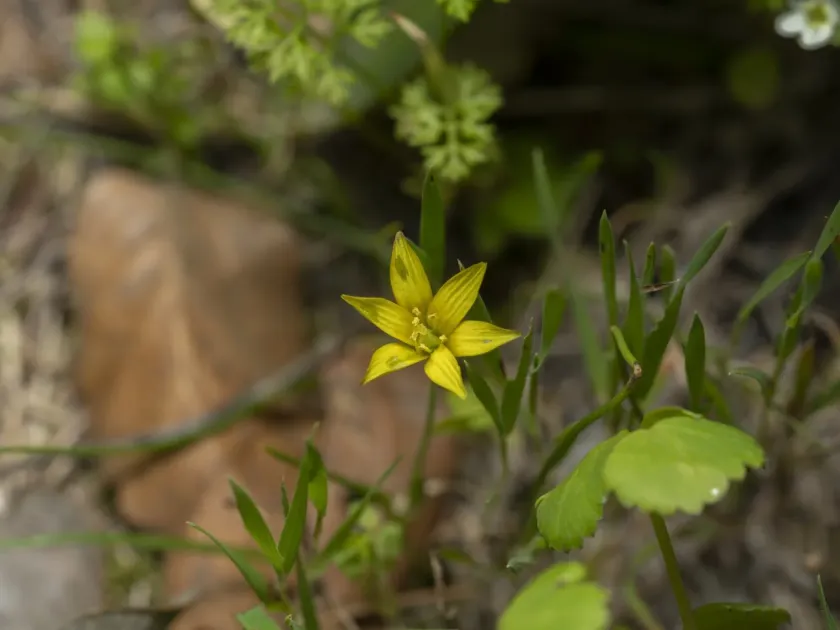
Description
Growing requirements
Gagea fibrosa is a perennial herbaceous plant belonging to the Liliaceae family. It is recognized as a spring ephemeral, completing its vegetative cycle during the early spring months when soil moisture levels are at their peak.
The plant originates from steppe regions and rocky slopes, thriving in open, sun-exposed areas. It requires excellent drainage to prevent bulb rot, which is the most significant physiological risk for this species.
Regarding soil preferences, Gagea fibrosa favors light, sandy, or stony substrates that do not retain excessive water. It performs best in soils with a neutral pH level, allowing for rapid root expansion during the short growing season.
Climate requirements for this species are centered around temperate spring conditions. It effectively escapes the summer heat through a dormancy period, during which the above-ground parts of the plant wither away, and energy is stored in the underground bulb.
Botanically, it is characterized by its unique fibrous tunic covering the bulb, which provides protection against mechanical stress and environmental fluctuations. This adaptation allows the species to persist in harsh steppe habitats.
Main diseases and pests
The primary threats to Gagea fibrosa include soil pathogens such as Fusarium and other fungi that cause bulb decay, especially in environments with poor drainage and high humidity levels during the plant's dormancy.
Pests such as onion maggots and bulb mites can severely impact the plant's health. These organisms often exploit damaged tissues, leading to a rapid decline of the affected bulbs and the spread of infestation to neighboring plants.
Small rodents and mammals often pose a risk by consuming the nutrient-rich bulbs during periods when other food sources are scarce, which can drastically reduce population numbers in localized areas.
Abiotic stresses, such as erratic temperature changes during early spring, can stunt growth or result in reduced flowering success. This is particularly problematic if late frosts occur after the leaves have already begun to emerge.
Competition from more aggressive, invasive species or high grass density can suppress Gagea fibrosa, as the plant is not suited for high-competition environments where light availability is significantly restricted.