
Gagea commutata
Gagea commutata
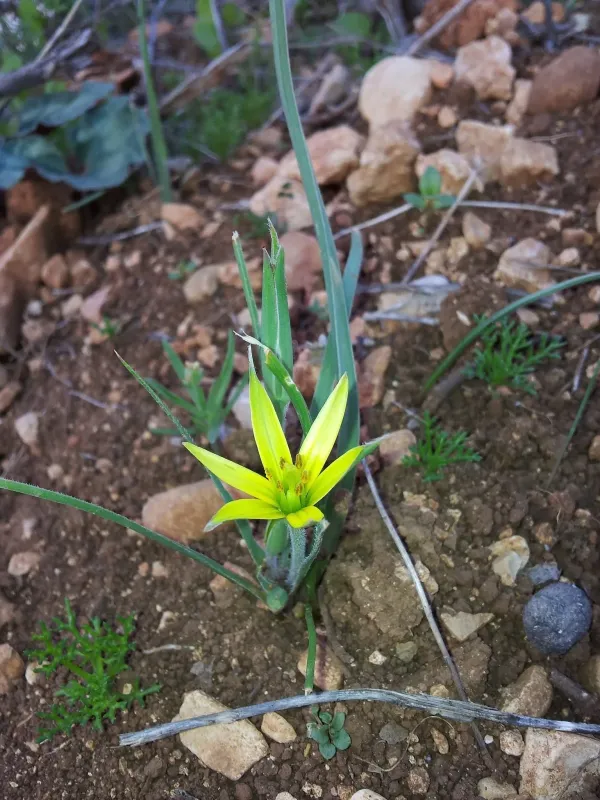
Description
Growing requirements
Gagea commutata, commonly known as a type of gagea or goose onion, belongs to the Liliaceae family. It is a perennial bulbous plant characterized by its rapid spring life cycle.
Native to Southeastern Europe and Western Asia, this species primarily inhabits mountain slopes, open meadows, and forest clearings where sunlight penetration is high during early spring.
The plant thrives in well-drained, nutrient-rich soils that retain moisture during the growing phase but allow for dry dormancy throughout the hot summer months.
Botanically, it features narrow leaves and a unique stem structure, often covered in fine fibers or hairs, which distinguish it from other members of the genus Gagea.
While not a traditional agricultural commodity, it serves as a crucial component of biodiversity in its native range and is occasionally cultivated by enthusiasts of alpine and rock garden plants.
Main diseases and pests
The primary biological threats include soil-borne pathogens such as Pythium and Fusarium species, which often target the bulbs if drainage is insufficient.
Excessive humidity during the spring can also trigger outbreaks of botrytis, causing leaf lesions and reducing the photosynthetic surface area of the plant.
Small mammals and soil-dwelling insect larvae, such as wireworms, can inflict significant damage on the fleshy bulbs, often leading to secondary bacterial infections.
Habitat loss and the encroachment of invasive, fast-growing weeds pose a major threat to its survival in the wild, as the plant cannot compete for light once the canopy closes.
Changes in local climate patterns, particularly delayed snowmelt or unseasonably warm winters, can disrupt the synchronized blooming period necessary for successful pollination and seed dispersal.