
Gold-star lily
Gagea chrysantha
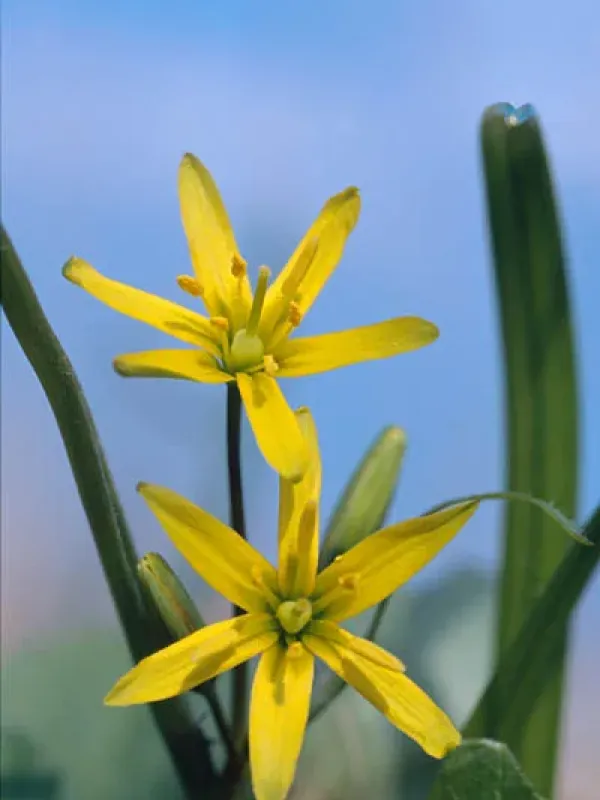
Description
Growing requirements
Gagea chrysantha, commonly known as gold-star lily, is a delicate bulbous perennial belonging to the Liliaceae family. It is a classic spring ephemeral, characterized by a brief, intense life cycle that concludes as temperatures rise and the soil begins to dry out.
Native to dry steppes and rocky terrains, this plant has evolved to thrive in environments where spring moisture is abundant but transient. The plant remains dormant throughout the summer, utilizing its small, tunicated bulb as a storage organ for energy reserves.
Optimal growth requires well-drained, porous soils, ideally with a neutral to slightly alkaline pH. The plant performs best in sites that prevent water logging, such as rock gardens or raised beds, which mimic its natural slope habitat.
The cultural requirements center on full sun exposure during the spring growth phase. As the plant completes its life cycle before the canopy of trees or surrounding shrubs fully develops, it excels in locations that transition from sunny in spring to partially shaded in summer.
Maintenance is minimal, as the species is well-adapted to surviving with little human intervention. Fertilizer application should be carefully managed, focusing on early spring feeding to support rapid floral development and subsequent bulb maturity.
Main diseases and pests
The primary threats include fungal infections like Botrytis or bulb rot, which are often exacerbated by poor drainage or excessive humidity during the dormancy period. Maintaining soil aeration and ensuring moisture control are critical preventative measures.
In terms of pests, rodents are the most significant threat, as they frequently consume the nutrient-rich bulbs during the dormant season. Occasional issues with bulb mites may arise, particularly if bulbs are stored incorrectly or damaged during division.