
Franchet's cotoneaster
Cotoneaster franchetii Bois
Description
Growing requirements
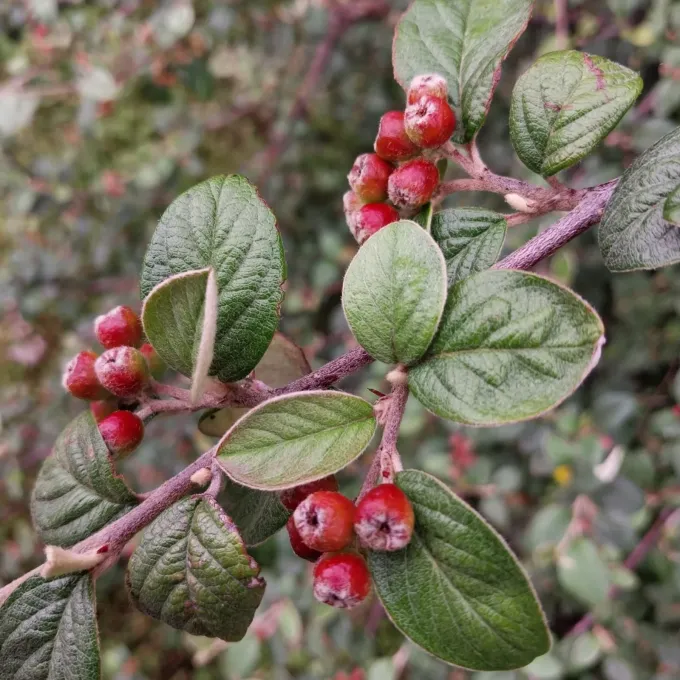
Franchet's cotoneaster (Cotoneaster franchetii) is an evergreen or semi-evergreen shrub belonging to the Rosaceae family. Native to western China, it is widely recognized for its elegant, arching stems and dense, graceful growth habit, which makes it a staple in various landscaping applications.
This shrub thrives in full sun but demonstrates good tolerance for partial shade. It prefers a temperate climate and requires a location sheltered from harsh, drying winds, especially in colder regions where frost damage to the foliage might occur during particularly severe winters.
Regarding soil preferences, the plant is quite versatile but performs best in fertile, loamy, and well-drained soils. It exhibits moderate tolerance to different pH levels but is highly intolerant of waterlogged conditions. Proper soil drainage is essential to prevent root rot, particularly in heavier clay soils.
Cultivation practices involve regular pruning to maintain the desired shape and size. The plant responds exceptionally well to shaping, making it suitable for topiary work or dense, formal hedging. While established plants show some drought resistance, supplemental watering is recommended during hot, dry summer periods.
Economically and aesthetically, the species is valued for its ornamental berries, which turn from orange to red in late autumn. These berries provide significant winter interest and serve as a food source for local bird populations, further enhancing its appeal in ecological garden designs.
Main diseases and pests
The plant is susceptible to several fungal diseases, with fire blight and powdery mildew being the most significant concerns. Ensuring adequate spacing between plants to allow for air circulation is critical for disease prevention.
Common pests include aphids, spider mites, and scale insects, which can weaken the shrub by sap-feeding. Early detection is vital for managing these pests effectively before they cause significant foliage damage.
The larvae of certain sawfly species can also cause localized defoliation. Regular monitoring of the underside of leaves and stems during the spring and early summer is highly recommended for identifying early infestations.
Treatment involves the judicious use of contact and systemic insecticides for pests, while fungicides may be required if fungal symptoms appear. Always adhere to local guidelines regarding the use of chemicals in ornamental gardens.
Maintaining plant vigor through proper nutrition and adequate moisture levels is the best defense against environmental stress, which often precedes and exacerbates pest and disease outbreaks.