
Creeping cotoneaster
Cotoneaster procumbens G. Klotz
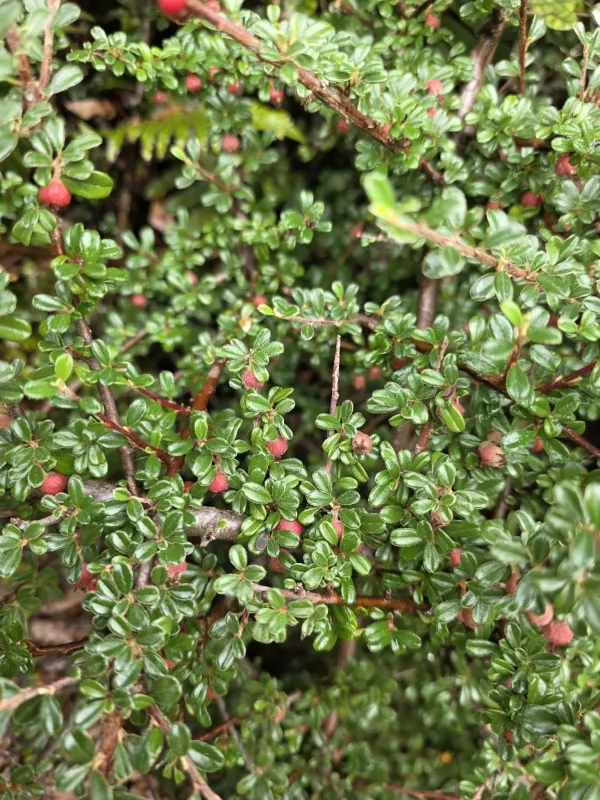
Description
Growing requirements
Creeping cotoneaster is a low-growing, prostrate shrub belonging to the Rosaceae family. It is highly valued in horticulture for its dense, glossy foliage and its ability to act as a robust groundcover, effectively suppressing weeds and adding aesthetic value to garden areas.
The species originates from East Asia, specifically regions within China and the Himalayas. Being native to alpine environments, the plant is naturally adapted to rugged conditions, including rocky substrates and variable temperature regimes found in both mountainous and urban landscapes.
In terms of cultivation, it thrives in full sun to partial shade. The ideal growing site should offer well-drained soil, as the species is sensitive to waterlogged conditions. It is remarkably tolerant of various soil types, ranging from sandy to slightly clay-based, provided drainage remains adequate.
The agronomic maintenance of this shrub is relatively simple. After the initial establishment period, the plant requires little supplemental watering. Pruning is typically done in early spring to maintain its desired shape and to remove any dead or damaged stems that may have occurred during the winter.
The primary horticultural use of Cotoneaster procumbens is in landscape architecture. It is widely used for slope stabilization, rock gardens, and as a filler in foundation plantings. Its low, spreading habit makes it a perfect choice for covering large ground surfaces efficiently.
Main diseases and pests
While the plant is generally hardy, it can occasionally suffer from root rot if the soil moisture levels are not managed correctly. Ensuring a proper planting slope and using well-draining soil mixes are the best preventative measures against soil-borne pathogens.
Pests such as aphids and spider mites are the most common threats to the foliage. If infestation occurs, horticultural oils or mild insecticidal soaps can be applied as a targeted treatment to control populations without damaging the plant's delicate leaves.
Powdery mildew may manifest during seasons with high humidity and stagnant air. Proper spacing during initial planting is crucial, as it ensures air circulation around the branches and reduces the likelihood of fungal spores settling on the foliage.
Scale insects can occasionally affect older, less vigorous specimens. Monitoring the underside of leaves and stems during spring checks will help in identifying any potential outbreaks early before they require more intensive chemical management.
Maintaining high plant vigor through correct site selection is the best defense against threats. Healthy, well-nourished plants are significantly less susceptible to both pest attacks and opportunistic disease infections throughout the growing season.