
Cotoneaster dammeri
Cotoneaster dammeri C. K. Schneid. var. radicans Dammer ex C. K. Schneid.
Description
Growing requirements
Cotoneaster dammeri is a prostrate, evergreen shrub belonging to the Rosaceae family. Native to the mountainous regions of central and southern China, it is widely recognized for its high ecological value and its ability to serve as an effective ground-stabilizing plant.
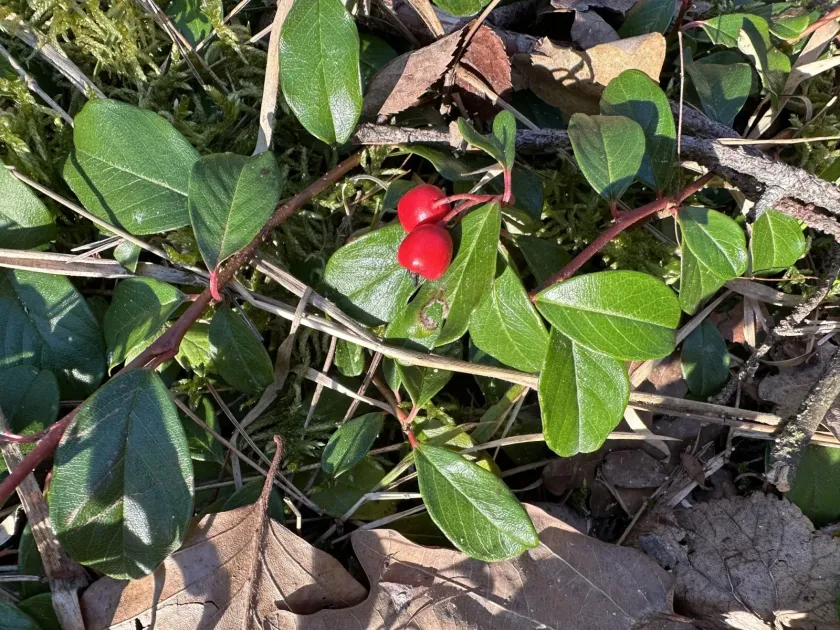
Botanically, the plant is distinguished by its long, trailing stems that root readily upon contact with moist soil. The foliage consists of small, leathery, dark green leaves that retain their color throughout the winter, complemented by bright red berries that provide visual interest in late autumn.
This species thrives in well-drained soils ranging from sandy to loamy textures. It exhibits a remarkable tolerance for various pH levels, although it performs best in neutral to slightly alkaline environments. Good drainage is critical to prevent root rot, especially during wet winter months.
The plant is highly adaptable to both full sun and partial shade, making it a versatile choice for diverse landscape conditions. Once established, it demonstrates significant drought tolerance, though supplemental irrigation during the first growing season is recommended for optimal root development.
Maintenance is minimal, requiring only occasional pruning in early spring to shape the plant or remove deadwood. Using balanced, slow-release fertilizers in the spring helps stimulate dense growth and reinforces the plant's natural resistance to environmental stress.
Main diseases and pests
Common pests include aphids and spider mites, which can cause leaf discoloration and stunted growth if not managed promptly. Monitoring the undersides of leaves during dry spells is essential, and horticultural soaps or systemic insecticides can be used to control outbreaks.
Fungal issues, particularly fire blight and root rot, represent the primary health risks for this culture. These diseases are often exacerbated by poor air circulation and excessive moisture, necessitating the practice of proper spacing and ensuring the soil remains well-drained throughout the year.