
Bearberry cotoneaster
Cotoneaster dammeri C.K. Schneid.
Description
Growing requirements
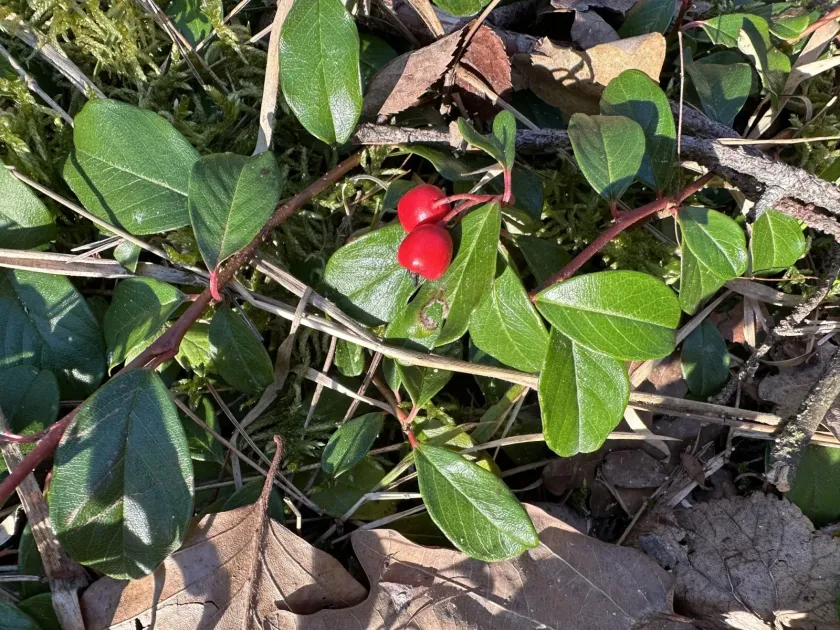
Bearberry cotoneaster (Cotoneaster dammeri) is a prostrate, evergreen shrub belonging to the Rosaceae family. Native to the mountainous regions of Central China, this plant has adapted to rocky terrains and temperate climates, making it a robust choice for various landscaping applications.
The botanical characteristics of this species include low-growing, spreading stems that root upon contact with the soil. Its small, elliptical, dark green leathery leaves create a dense mat, often turning subtle shades of bronze or red during the colder winter months.
This shrub thrives in full sun to partial shade conditions, demonstrating significant adaptability to different soil types. The most critical requirement for successful cultivation is ensuring excellent drainage, as the species is highly susceptible to root rot if left in waterlogged conditions.
Proper horticultural care involves moderate watering during the establishment phase and periods of extreme drought. Annual maintenance, such as selective pruning, helps to control the spread of the stems and encourages the plant to remain dense and healthy throughout the growing season.
In terms of хозяйственного usage, this plant serves as an excellent groundcover for erosion control on slopes and banks. Its ability to outcompete weeds makes it a low-maintenance solution for large-scale landscaping projects, rock gardens, and container planting.
Main diseases and pests
The plant is occasionally susceptible to fungal infections such as fire blight and leaf spot, especially in regions with high humidity. Maintaining proper spacing and avoiding overhead irrigation can significantly reduce the risk of these common pathogenic outbreaks.
In terms of insect pests, aphids and scale insects are the most frequent threats. Early detection is vital for effective management; professional growers recommend using horticultural oils or systemic insecticides if monitoring reveals an active infestation on the stems or undersides of leaves.