
Swedish cotoneaster
Cotoneaster x suecicus G. Klotz
Description
Growing requirements
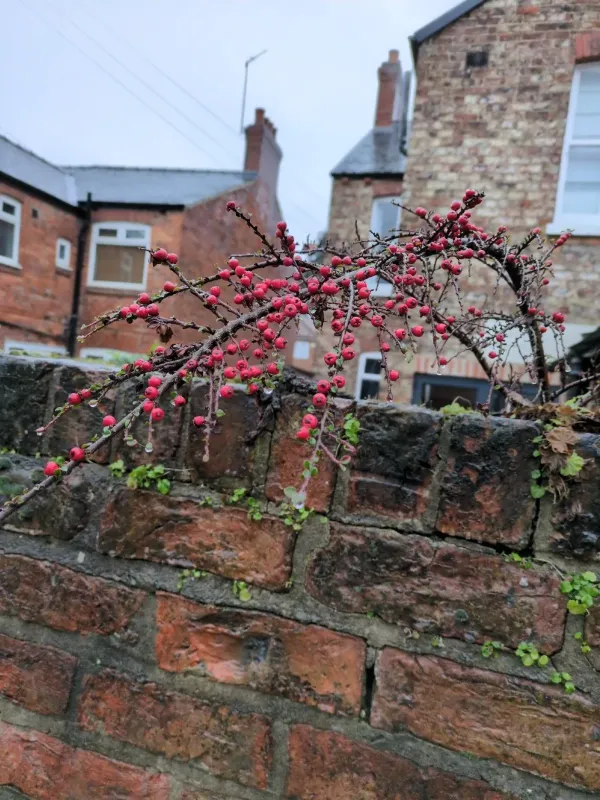
Swedish cotoneaster (Cotoneaster x suecicus) is a hybrid shrub species within the Rosaceae family. It is widely recognized for its prostrate habit and deep green, semi-evergreen foliage, making it a staple in ornamental agriculture and landscaping projects.
Originating from directed breeding efforts, this plant is well-suited for temperate climates. Its ability to cover large surface areas effectively has established it as a significant crop in nursery production across Europe and North America.
The plant thrives in well-drained soils, ranging from sandy loam to heavy clays, provided there is no risk of prolonged waterlogging. It is relatively adaptable to various soil pH levels, although slightly acidic to neutral environments favor faster biomass accumulation.
Light requirements are flexible, ranging from full sun to partial shade. However, optimal flowering and fruit production are achieved in sunny environments. It exhibits high tolerance to urban pollution, which allows for extensive use in roadside greening.
Agrotechnical management primarily involves controlled irrigation during establishment and annual pruning to maintain shape. As a hardy plant, it requires minimal intervention once established, provided the spacing allows for proper air circulation to prevent moisture accumulation.
Main diseases and pests
The primary threats to the health of Swedish cotoneaster include fungal infections such as powdery mildew. This condition often thrives in stagnant air or during periods of excessive humidity, leading to leaf discoloration and stunted growth.
Fire blight is another serious concern, as it affects many members of the Rosaceae family. Infected branches should be removed immediately and burned, and pruning tools must be disinfected between each cut to prevent further spread of bacteria.
Pest populations typically consist of aphids and spider mites. These pests can cause significant leaf curling and weaken the plant, reducing its winter hardiness and overall aesthetic value if left untreated for extended periods.
Integrated pest management (IPM) strategies, including the introduction of beneficial predatory insects or the use of horticultural oils, are recommended to control infestations without damaging the local ecosystem.
Preventive maintenance, including the application of dormant oil sprays and ensuring adequate nutrient supply via slow-release fertilizers, helps keep the shrubs resilient against both abiotic stresses and biotic threats.