
Mezereon
Daphne mezereum L.
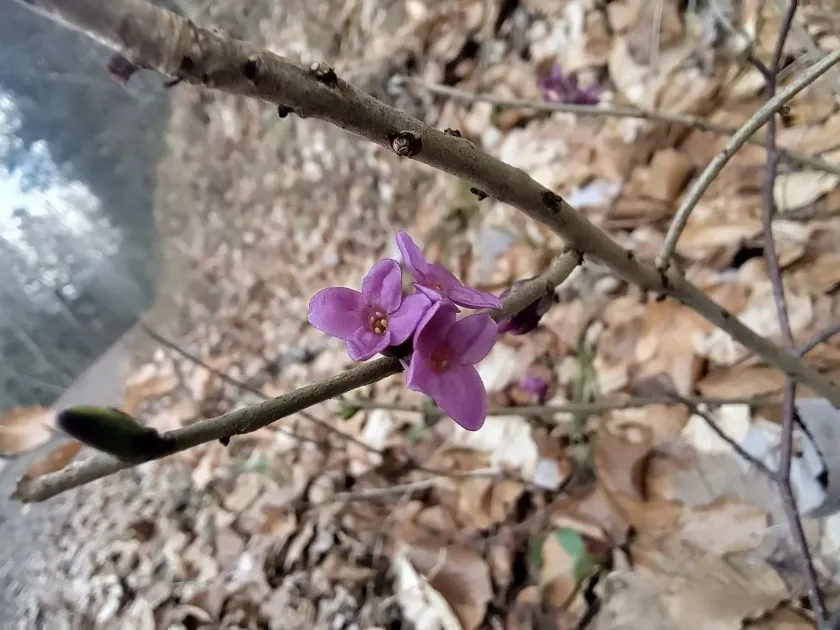
Description
Sowing dates
Mezereon is primarily propagated through seeds, which require a lengthy period of cold stratification to break dormancy. Sowing should be performed in late autumn, placing the seeds in pots filled with a well-draining, moist medium and leaving them outside or in a cold frame.
When collecting seeds, it is crucial to clean off the fleshy pulp, as it can contain germination inhibitors and attract fungi. Sowing the cleaned seeds in fresh, organic-rich soil increases the probability of successful germination during the following spring.
The growth of seedlings is notably slow in the first year, as the plant invests energy into developing its root system. During this period, seedlings require protection from extreme weather and consistent moisture to ensure survival and steady development.
Layering is a more reliable vegetative propagation method for mature bushes. By bending a low-growing branch to the ground and burying a portion of it in the soil, roots will form over the course of one growing season before separation.
Propagation through cuttings is difficult and often requires specialized equipment to maintain high humidity and consistent temperatures. Therefore, seed propagation remains the preferred method for home gardeners who wish to expand their collection.
Growing requirements
Daphne mezereum belongs to the Thymelaeaceae family and is a deciduous shrub native to the forests of Europe and parts of Asia. It thrives in temperate climates and is highly valued for its early, fragrant pink-purple blossoms that appear before the leaves.
The shrub prefers fertile, well-draining, and humus-rich soil. While it appreciates moisture, it is highly sensitive to waterlogged conditions, which can lead to root rot; thus, ensuring proper drainage is a fundamental aspect of its site preparation.
Choosing the right location is vital, as Mezereon prefers partial shade or dappled light. Intense, direct sunlight can cause leaf scorch and heat stress, particularly in regions with hot, dry summers, whereas dense shade may reduce flowering density.
Cultural maintenance involves keeping the soil cool and moist. Mulching with leaf mold or compost is highly recommended, as it mimics the plant's natural forest-floor habitat while providing necessary nutrients and moisture retention for the shallow roots.
Pruning should be kept to a minimum, as the shrub does not recover well from heavy cutting. Periodic removal of dead or diseased wood is generally sufficient to maintain the plant's health and aesthetic shape throughout the year.
Main diseases and pests
Common issues include leaf spot and grey mold, which are typically triggered by poor air circulation or excessively humid environments. Pruning for airflow and avoiding overhead watering can significantly mitigate these risks during the summer months.
Pests such as aphids and spider mites can occasionally affect the foliage, especially during dry spells. If infestations become severe, horticultural oils or appropriate insecticidal soaps should be applied, ensuring thorough coverage of both leaf surfaces.
It is critical to note that all parts of the Mezereon plant, including the berries, bark, and leaves, are toxic to humans and pets. Always wear gloves when handling the plant to prevent skin irritation from the plant's sap.
Winter damage from rodents gnawing on the bark can be fatal to the shrub. Installing protective mesh or wire guards around the base of the stem during the winter months is an essential preventive measure in areas where local wildlife may be active.
Regular monitoring of the shrub's health is necessary to detect early signs of fungal infections or nutrient deficiencies. Maintaining a clean garden bed by removing leaf litter prevents the overwintering of pathogens that could affect the bush in the spring.