
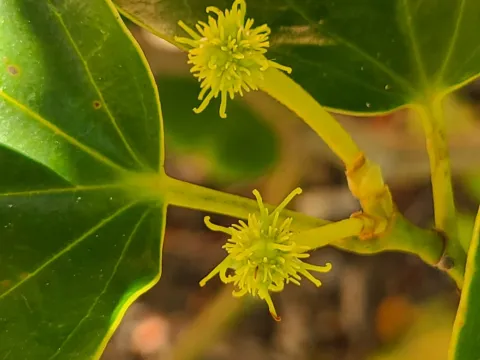
Exbucklandia
Exbucklandia
Exbucklandia is a genus of evergreen trees belonging to the Hamamelidaceae family. Native to the mountainous forests of Southeast Asia, these trees are recognized for their elegant appearance and significant ecological role in subtropical forest ecosystems.
What the section contains

Exbucklandia
Climate requirements for this species are specific: they thrive in regions with high atmospheric humidity and mild, stable temperatures. They are not frost-tolerant, so cultivation is restricted to areas that mirror their native mountainous habitats.
The soil profile must be well-drained and rich in organic matter. Waterlogging is the primary antagonist of Exbucklandia growth, necessitating careful selection of site location with natural slope drainage or the installation of supplemental drainage systems.
Light management is crucial, especially during the early stages of development. While mature trees are quite tolerant of varying light levels, young seedlings benefit significantly from partial shade to prevent desiccation and heat stress.
Nutrient management involves regular applications of organic compost or balanced fertilizers designed for broad-leaved evergreens. Maintaining the correct soil pH, which should ideally be slightly acidic, is key to preventing chlorosis and promoting vigorous branching.
The primary economic value of Exbucklandia lies in its high-quality timber. The wood is dense, durable, and aesthetically pleasing, making it a sought-after raw material in the cabinet-making and construction industries within its native range.
Harvesting strategies are aligned with sustainable forestry practices. Trees are often selected for harvest based on diameter at breast height (DBH) and overall health, ensuring that the canopy remains dense and the forest ecosystem functional.
Apart from timber, the tree is highly valued for landscaping. Its evergreen foliage and structured growth habit make it an excellent candidate for large estate planting and botanical gardens, providing year-round greenery.
Seed collection is performed during the peak of the maturation period when seed capsules begin to open. Proper drying and immediate storage are essential, as the viability of the seeds can drop rapidly if they are exposed to excessive heat or dry air.
Post-harvest management of stands is vital for regeneration. In many regions, natural regeneration is supported by selective clearing, which encourages new seedlings to emerge and thrive, thereby sustaining the economic and environmental benefits of the plantation.