
Exbucklandia populnea
Exbucklandia populnea
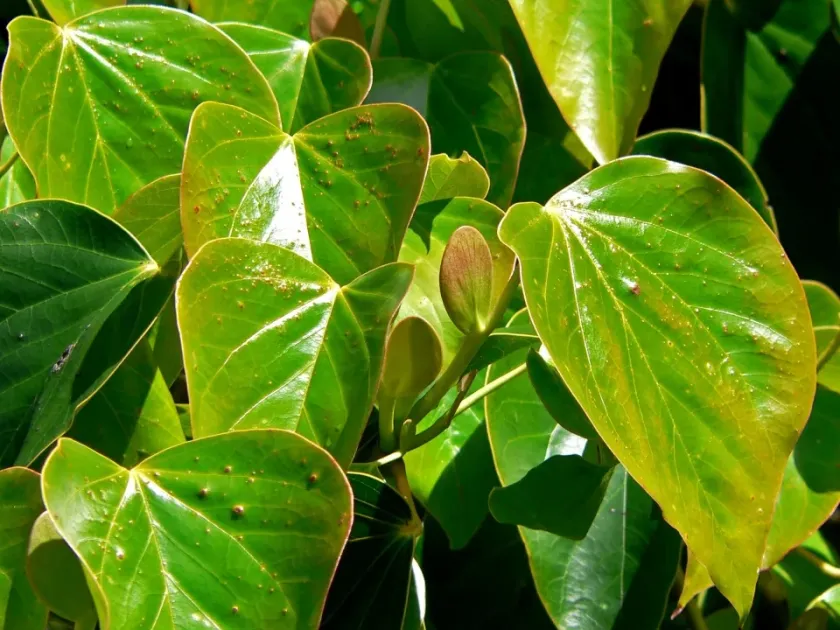
Description
Sowing dates
Propagation of Exbucklandia populnea from seed requires preliminary stratification to increase germination energy. Sowing is typically performed in nurseries during late winter or early spring in a prepared substrate with excellent drainage.
The optimal temperature for seedling emergence ranges from 20 to 25 degrees Celsius under conditions of stable soil moisture. Seedlings develop quite slowly during their first year, necessitating rigorous weed control measures.
Once saplings reach a height of 30–50 cm, they are ready for planting in their permanent location, such as forests or dedicated timber plantations. Optimal spacing density is calculated based on the primary cultivation goals, whether for timber production or ornamental landscaping.
To ensure successful establishment, it is essential to avoid direct sunlight during the germination phase, providing filtered light instead. Monitoring seed quality is crucial, as the seeds of Exbucklandia tend to lose viability quickly if stored under improper conditions.
Utilizing containerized seedling technology significantly improves the survival rate of young plants during field transplantation. This approach allows the trees to adapt more rapidly to diverse soil and environmental conditions.
Growing requirements
Exbucklandia populnea is a member of the Hamamelidaceae family and naturally occurs in the subtropical mountain forests of the Himalayas and Southeast Asia. It is an evergreen tree species that thrives in moist, nutrient-rich soils.
For optimal growth, the crop requires a moderately warm climate free from extreme frosts, as mature specimens are sensitive to heavy ice accumulation. Ideal sites are characterized by good aeration and high atmospheric humidity.
The soil should be deep, loose, and possess a neutral to slightly acidic pH. Despite the tree's affinity for moisture, waterlogging must be avoided, as it can lead to root system decay and poor development.
The species exhibits shade tolerance during its juvenile stage, allowing for intercropping or cultivation in mixed forest stands. As the tree matures, it requires increased light exposure to develop a robust canopy and a straight, high-quality trunk.
In regions with pronounced dry seasons, supplemental irrigation is necessary, especially during the first few years after field planting. Protection from severe, cold winds is also an essential prerequisite for successful commercial cultivation.
Yield
The primary yield metric for this crop is the accumulation of biomass and high-quality timber. Under favorable agrotechnical conditions, the tree can reach heights of 20–30 meters, forming a clean, straight trunk with minimal branching.
Exbucklandia wood is valued for its strength and durability, making it suitable for furniture manufacturing, structural carpentry, and plywood production. This versatility makes the crop a promising investment for forestry enterprises.
Productivity in plantations is typically evaluated 15–25 years after establishment, once the trees reach technical maturity. Optimal growth rates are observed in regions with high annual average temperatures and abundant, consistent rainfall.
Economic utilization also encompasses the use of foliage and bark as raw materials for traditional medicinal applications and landscaping. With proper silvicultural management, plantations provide a stable output of high-grade commercial timber.
Forestry experts recommend regular thinning operations to stimulate the growth of the most promising individual trees. This practice allows for the maximum expression of the species' genetic potential on an industrial scale.
Main diseases and pests
The primary threats to this crop include fungal diseases affecting the root system, often caused by inadequate soil drainage. Root rot can lead to significant mortality rates among young nursery saplings.
Leaf-eating insects and specialized tropical forest pests can cause substantial damage to the tree's photosynthetic apparatus. Regular monitoring of the phytosanitary status of plantations allows for timely intervention using biological control methods.
In industrial plantation settings, outbreaks of xylophagous insects (wood-borers) can compromise the structural integrity of the trunks. The deployment of pheromone traps assists in tracking pest population dynamics, helping to minimize economic losses.
Abiotic stressors, such as ice storms, can also negatively affect the crop, potentially breaking fragile young shoots. Establishing windbreaks with fast-growing native tree species helps mitigate climatic stress for younger stands.
Disease prevention strategies include strict crop rotation in nurseries and the systematic removal of infected plant debris. An integrated plant protection system is vital for ensuring the long-term survival and health of Exbucklandia in field conditions.