
Sikkim spurge
Euphorbia sikkimensis Boiss.
Description
Growing requirements
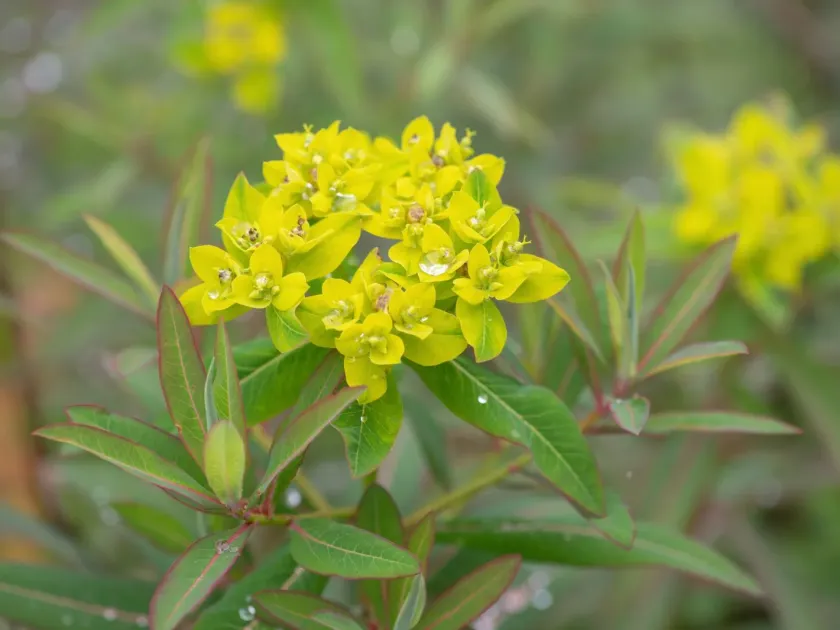
Sikkim spurge (Euphorbia sikkimensis) is a perennial plant belonging to the Euphorbiaceae family. Originally native to the Himalayan regions, including Sikkim, this species is highly valued for its striking visual characteristics in ornamental horticulture.
The plant thrives in fertile, well-drained soils that retain moderate moisture. It performs best in full sun or partial shade, which allows the young shoots, characterized by their distinct reddish hue, to develop their unique color intensity before turning deep green.
Climatic requirements involve moderate temperatures; while it is quite hardy, the plant is susceptible to waterlogging. Therefore, selecting a site with proper drainage is essential to maintain the health of its root system throughout the year.
Agricultural practices for this culture include seasonal fertilization and consistent soil moisture management. It is vital to avoid drought stress during the active growth phase in spring to ensure the lush development of the foliage and stems.
Sikkim spurge is primarily used as an ornamental plant in landscape design. Its vigorous growth and architectural appearance make it an excellent choice for borders, mixed flower beds, or as a focal point in specialized gardens.
Main diseases and pests
The primary threats include fungal diseases such as powdery mildew and root rot, which are often exacerbated by poor ventilation and excess soil moisture. Ensuring adequate space between plants is a critical preventive measure.
Pests that commonly affect the plant include aphids and spider mites. These insects feed on the sap and can significantly damage the foliage; control measures involve the use of systemic insecticides or biological control agents.
The plant produces a milky latex that acts as a natural defense mechanism against herbivores. This substance is toxic and can cause severe irritation to the skin and eyes, requiring the use of protective gloves during any handling.
Leaf spot diseases may occur under humid conditions. Management strategies involve removing and destroying infected plant tissue and applying copper-based fungicides when necessary to prevent the spread of the pathogen.
In addition to these issues, proper sanitation of the growing site is recommended to minimize the risk of recurring pest infestations. Winter mulching may also be used to protect the crown of the plant in regions with severe winters.