
Robb's spurge
Euphorbia robbiae Turrill
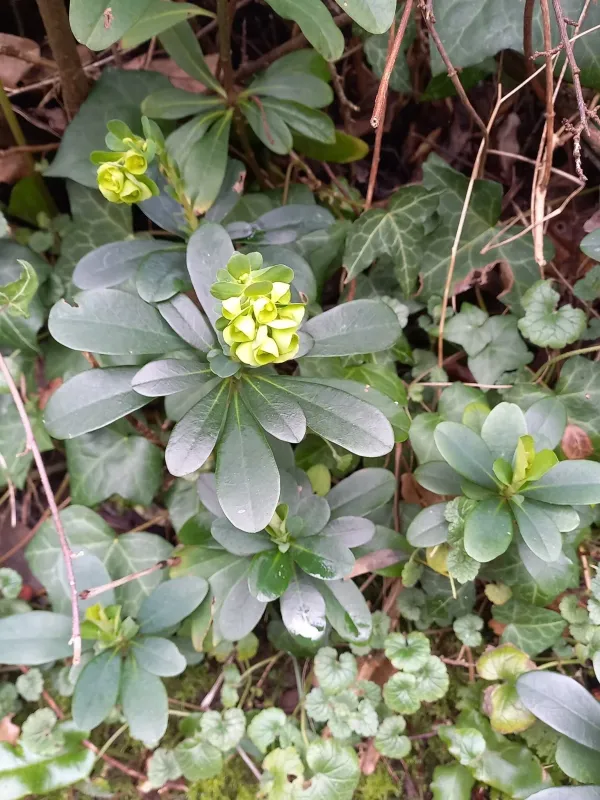
Description
Sowing dates
The propagation of Robb's spurge is primarily achieved through the division of rhizomes, ideally performed in early spring or autumn for best results.
Seeds require a period of cold stratification, making late autumn the best time to sow them outdoors or in pots kept in a cold frame.
When planting nursery-grown specimens, ensure they are placed in soil during mild weather, providing ample space for their spreading root systems.
Maintain a planting distance of approximately 45–50 centimeters between individual plants to allow for healthy development and air circulation.
New plantings should be kept consistently moist until they establish, after which the plant becomes relatively drought-tolerant and low-maintenance.
Growing requirements
Robb's spurge is a distinguished member of the Euphorbiaceae family, widely appreciated for its glossy, dark green evergreen foliage.
Originally native to the wooded areas of Turkey, it is uniquely adapted to shade, making it an excellent choice for difficult, dark corners of the garden.
The plant thrives in fertile, well-drained soil but shows significant resilience even in poorer soils provided there is adequate moisture availability.
While hardy in temperate climates, it appreciates a layer of organic mulch around the root zone to protect against winter frost and retain soil moisture.
Its primary horticultural use is as an effective groundcover, creating dense, attractive carpets in areas under trees or large shrubs where other plants struggle.
Main diseases and pests
Root rot is the most significant threat to Euphorbia robbiae, typically occurring in waterlogged conditions or heavy, poorly draining clay soils.
Insects such as aphids may occasionally infest the plant, usually appearing during periods of rapid growth or when the plant is stressed by heat.
Powdery mildew can affect the foliage in overcrowded conditions, which makes proper spacing and good ventilation essential for plant health.
Regular monitoring for spider mites is recommended, especially in dry and hot summers, as they can cause significant discoloration of the leaves.
Always exercise caution when pruning, as the milky latex sap can cause severe skin and eye irritation; protective gear is strictly required.