
Petty spurge
Euphorbia peplus L.
Description
Growing requirements
Petty spurge (Euphorbia peplus L.) is a member of the Euphorbiaceae family. It is an annual herbaceous plant widely recognized as a problematic weed in agriculture, particularly in vegetable fields, nurseries, and managed soil environments.
Native to Europe, Northern Africa, and Western Asia, this plant has spread globally as a naturalized species. It thrives in cultivated, damp soils and is frequently found in areas where human activity constantly disturbs the soil structure.
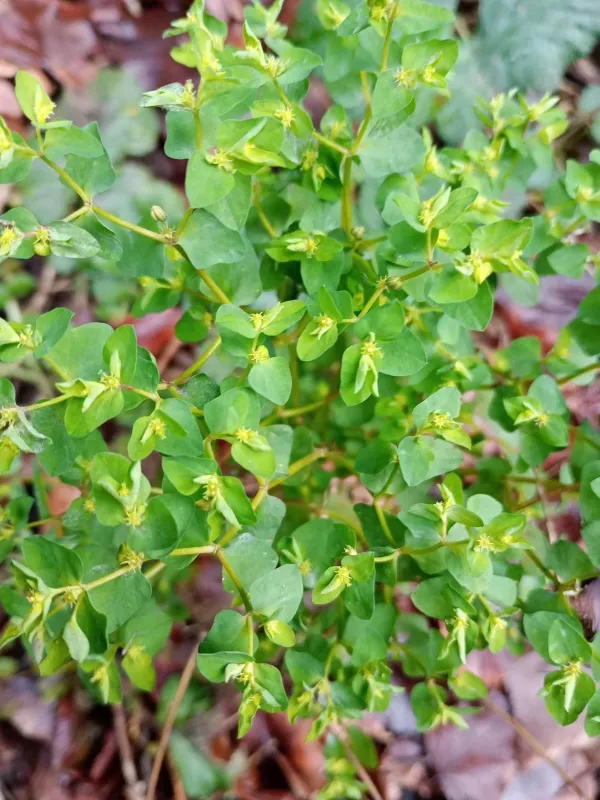
The botanical structure of the plant includes an erect, glabrous stem that branches near the base, typically reaching a height of 30 cm. Its leaves are obovate or rounded, displaying a characteristic light green color, with tiny flowers grouped in umbel-like inflorescences.
A defining characteristic of Euphorbia peplus is the milky latex sap found within its stems and leaves. This latex contains complex chemical compounds that serve as a defense mechanism, making the plant unpalatable and potentially toxic to livestock.
Regarding its habitat requirements, the plant prefers rich, moist soils and tends to proliferate in areas with full sun to partial shade. Its ability to germinate over an extended period throughout the growing season makes it a persistent presence in agricultural fields.
Main diseases and pests
The primary agricultural threat posed by petty spurge is its high competitiveness. It can quickly outcompete crop seedlings for vital nutrients and space, significantly reducing yields in horticultural operations if not managed during the early stages of growth.
The weed is highly prolific, with individual plants producing vast numbers of seeds that remain viable in the soil seed bank for years. This adaptability makes eradication difficult and necessitates integrated management strategies over several growing cycles.
Diseases affecting this species often include powdery mildew and rusts. While these pathogens are typically host-specific, the presence of petty spurge can increase the overall disease pressure in a field, serving as a reservoir for pathogens to spread to nearby crops.
Insect pests are generally less impactful on the plant's survival due to its chemical defenses. However, it can occasionally harbor aphids that subsequently move to adjacent cash crops, causing indirect damage to the farm's productivity.
Successful management requires a combination of mechanical and chemical approaches. Shallow cultivation is effective for controlling young plants, while systemic herbicides can be applied in specific agricultural scenarios to prevent the plant from reaching the seed-setting stage.