
Shining spurge
Euphorbia lucida Waldst. & Kit.
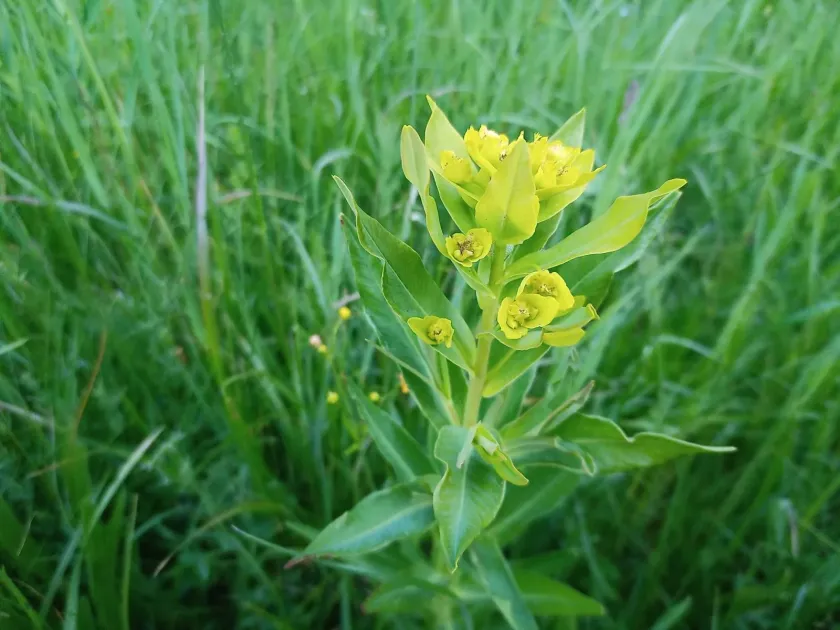
Description
Growing requirements
Shining spurge (Euphorbia lucida) is a perennial herbaceous plant belonging to the Euphorbiaceae family. It is naturally distributed across Eurasia, frequently occurring in damp meadows and riparian zones.
The plant features distinct lanceolate leaves with a characteristic shine, which gives the species its common and scientific names. Its structural development involves strong vertical stems and a resilient root architecture.
Cultivation requirements include rich, moist soils that retain nutrients effectively. The plant thrives in environments that provide consistent moisture without waterlogging, which can otherwise impede growth.
Regarding climate, this species prefers temperate conditions with ample sunlight exposure. It exhibits notable hardiness in northern regions provided it has sufficient organic material in the soil profile.
Agricultural management should account for the milky sap present in all plant tissues. Proper protective equipment is mandatory when handling the crop to avoid skin and mucosal irritation.
Main diseases and pests
Primary threats to the health of this crop include fungal pathogens that manifest as powdery mildew or root rots. These are particularly prevalent during periods of high humidity and poor ventilation.
Pest populations such as aphids and spider mites can rapidly affect leaf quality. Monitoring for early signs of infestation is essential to prevent significant damage to the plant's vegetative structure.
Cultural control methods, such as maintaining optimal plant spacing, are critical for disease prevention. Proper aeration helps significantly reduce the impact of foliage-related fungal issues.
If chemical intervention is deemed necessary, selective fungicides and insecticides should be used carefully. Adherence to manufacturer instructions is required to minimize potential environmental impact.
Integrated pest management strategies are recommended to keep the ecosystem in balance. This approach ensures the sustainability of the crop production cycle throughout the entire season.