
Euphorbia leucodendron
Euphorbia leucodendron Drake
Description
Growing requirements
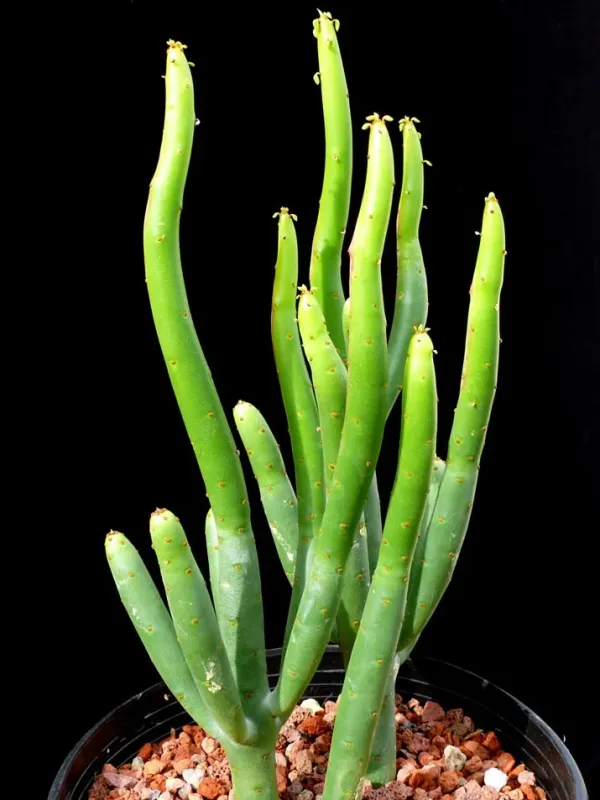
Euphorbia leucodendron is a distinctive succulent member of the Euphorbiaceae family, native to Madagascar. It is recognized for its sculptural, coral-like appearance, characterized by leafless, segmented stems that make it a favorite for arid-land landscaping.
The plant thrives under intense light conditions. When cultivating this species, it is essential to provide full sun exposure; insufficient lighting leads to etiolated, weak growth that compromises the plant's structural integrity and aesthetic value.
Regarding soil requirements, this species demands excellent drainage. A gritty, mineral-rich potting mix is recommended to prevent root rot, which is the most common cause of failure in succulent cultivation. Adding porous materials like pumice or perlite is standard practice.
Climate needs are strictly tropical. Euphorbia leucodendron is not frost-tolerant and must be protected from temperatures below 15 degrees Celsius. In non-tropical regions, it is best kept as an indoor plant or within a climate-controlled greenhouse.
Its primary use is ornamental. Due to its unique morphology and low water requirements, it is widely used in xeriscaping, botanical displays, and modern container gardening where drought-tolerant plants are prioritized for their architectural beauty.
Main diseases and pests
Root and stem rot caused by fungal pathogens are the most significant threats to this culture. These diseases are almost exclusively triggered by overwatering or poorly draining soil, which creates an anaerobic environment near the root system.
Pest management is crucial, with mealybugs being a frequent problem. These insects colonize the stem joints, weakening the plant through sap-feeding and potentially introducing secondary infections or sooty mold through their excretions.
Spider mites can also become an issue during hot, dry periods. Regular misting or monitoring of humidity levels can help deter these pests, though chemical intervention with appropriate miticides is often required for established infestations.
Caution must be exercised during handling, as the plant secretes a caustic, milky latex. This sap can cause severe skin irritation and ocular damage; therefore, protective gear is mandatory when performing pruning or repotting.
Effective prophylaxis involves maintaining a consistent dry-out period between waterings and ensuring adequate airflow. Early detection through regular visual inspections is the best strategy to keep a collection healthy and free of disease.