
Pascuita
Euphorbia leucocephala Lotsy
Description
Sowing dates
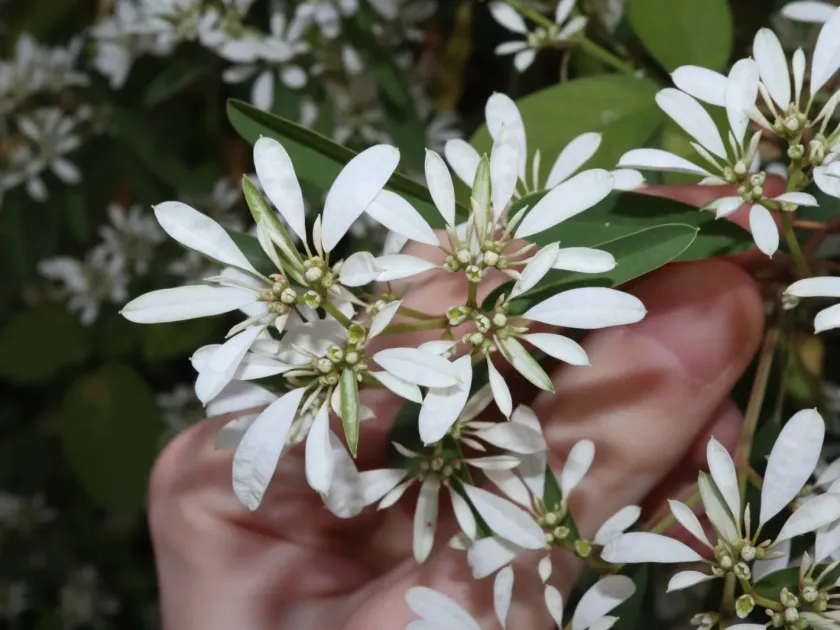
Pascuita (Euphorbia leucocephala), a member of the Euphorbiaceae family, is commonly known for its snow-white bracts that mimic flowers. In agricultural practice, it is propagated primarily through softwood cuttings taken from vigorous parent plants.
The propagation process begins in early spring, where cuttings 10–15 cm in length are collected. It is essential to wash the milky latex from the cut ends to facilitate the absorption of rooting hormones and to prevent decay in the propagation media.
Rooting occurs best in a sterile, well-draining substrate such as a peat and perlite mix. Maintaining a consistent temperature between 22 and 24 degrees Celsius is critical for the success of the rooting phase.
Once roots are established, the young plants are transplanted into larger containers with nutrient-rich soil. Pinching the terminal buds at this stage is a standard agronomic technique to encourage branching and improve plant density.
Proper sanitation of tools and the working environment is paramount, as the plant's sap can be a vector for contamination or a skin irritant for workers handling the propagation material.
Growing requirements
Originating from Central America, this crop requires a tropical climate environment. Temperatures must stay consistently above 18 degrees Celsius, as even short-term exposure to cold can result in significant leaf drop and physiological stress.
Light management is essential for the quality of the white bracts. While the plant loves bright light, high-intensity sunlight during the peak of summer requires shading to prevent leaf chlorosis and scorch marks.
The soil should have excellent drainage properties, as the roots are highly susceptible to hypoxia if waterlogged. A substrate composed of organic matter and inorganic drainage materials is highly recommended for commercial production.
Watering regimes should be carefully managed based on the stage of development. During the winter dormancy phase, water intake should be significantly reduced to allow the plant to rest and prevent the development of root pathogens.
Nutritional needs are met through balanced liquid fertilizers applied during the growing season. Nitrogen should be limited towards the end of the growth cycle to prevent excessive, weak shoot development.
Main diseases and pests
The primary insect pests associated with Euphorbia leucocephala include whiteflies and spider mites. These pests proliferate rapidly in hot, dry greenhouse environments, necessitating proactive monitoring.
Root rot caused by Rhizoctonia or Pythium species represents the most serious disease risk. These pathogens typically emerge when irrigation cycles are poorly managed or when the drainage is insufficient.
Integrated Pest Management (IPM) strategies, including the use of biological control agents and consistent scouting, are highly effective in controlling pest populations without excessive chemical reliance.
In cases of severe infestation, targeted applications of systemic fungicides and miticides are required. Always ensure that the chemical application is performed by trained personnel using appropriate personal protective equipment.
Maintaining air circulation through adequate spacing of plants in the greenhouse is a fundamental practice to reduce humidity pockets and suppress the onset of fungal diseases.