
Graceful Sandmat
Euphorbia hypericifolia L.
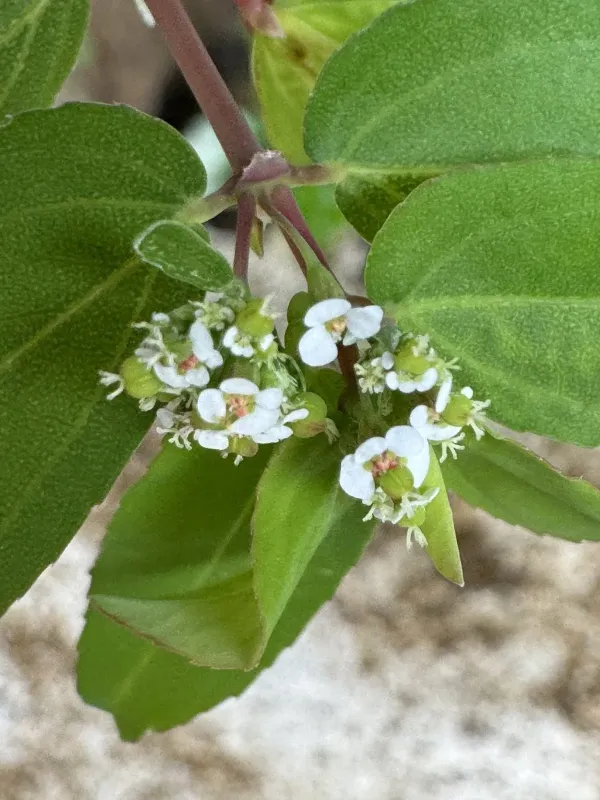
Description
Sowing dates
Graceful Sandmat, botanically known as Euphorbia hypericifolia, belongs to the Euphorbiaceae family. This species is commonly propagated by seeds, which are typically sown in early spring under controlled greenhouse conditions.
The seeds require a well-draining, loose growing medium to ensure rapid germination. It is important to maintain consistent warmth and adequate moisture without saturating the soil to prevent damping-off diseases.
Once the seedlings develop their first true leaves, they are transplanted into individual containers. This phase is critical to ensure proper root development before the final planting into the field or flower beds.
In warmer climates, direct sowing is possible after all frost risks have passed. The plant grows rapidly, branching out to form dense, attractive foliage with small, delicate flowers.
Standard horticultural practice involves spacing the plants to allow for airflow, which is essential for maintaining the health and vigor of the cultivar throughout the growing season.
Growing requirements
Euphorbia hypericifolia thrives in full sun exposure. While it is highly adaptable, it reaches its maximum ornamental potential when planted in sunny locations with well-draining, sandy-loam soils.
The plant is known for its remarkable drought tolerance once established. Irrigation should be managed carefully, ensuring the soil dries out slightly between watering sessions to support a healthy root system.
Temperature is a key limiting factor; this species is not frost-tolerant and behaves as an annual in temperate zones. It prefers consistent daytime temperatures between 20°C and 30°C for optimal growth.
Soil fertility requirements are modest; the plant does not require excessive nitrogen fertilization, which could lead to leggy stems rather than the desired compact and bushy habit.
Regular monitoring of soil moisture and maintaining optimal drainage are the primary requirements for preventing root rot, which is the most common physiological issue in this species.
Main diseases and pests
The most common pests affecting this plant include aphids and spider mites, particularly when plants are grown in overcrowded conditions or experience heat stress during mid-summer.
Fungal pathogens such as powdery mildew may develop if the foliage remains wet for extended periods or if air circulation is inadequate in the planting area.
The milky white sap produced by the plant contains chemical compounds that can cause skin irritation, requiring workers to wear gloves and protective clothing during trimming or maintenance.
Integrated pest management (IPM) techniques, including the use of neem oil or insecticidal soaps, are generally effective in controlling minor infestations of common sucking insects.
Good sanitation practices, such as the removal of debris and infected plant tissues, are essential to prevent the spread of diseases and maintain the health of the entire crop.