
Euphorbia heterophylla
Euphorbia heterophylla L.
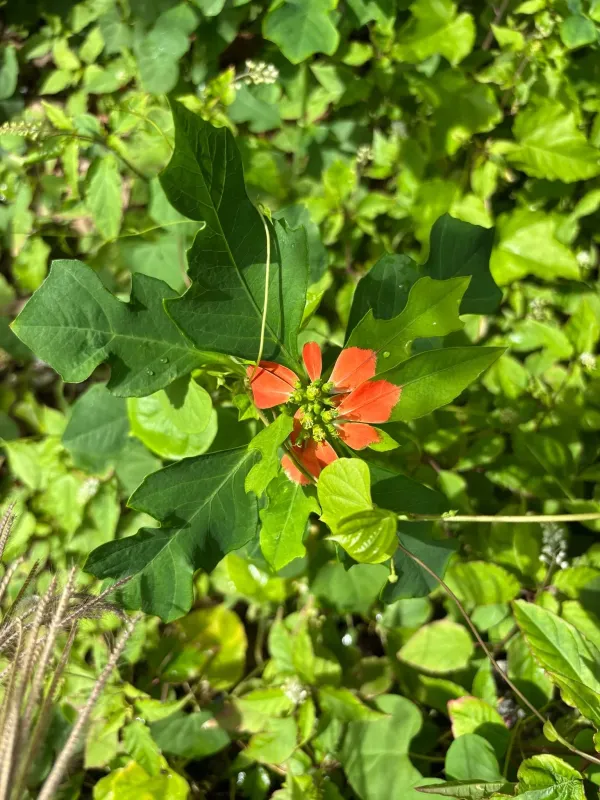
Description
Sowing dates
Euphorbia heterophylla L., commonly known as wild poinsettia or painted spurge, is an annual herbaceous plant belonging to the Euphorbiaceae family. Originating from tropical America, it has become a widespread agricultural weed across many continents.
Germination typically occurs when soil temperatures reach 15°C or higher. Under favorable conditions, the seeds exhibit high germination rates, often resulting in dense infestations shortly after crop emergence.
The plant grows rapidly, developing a taproot system that allows it to access water and nutrients from deeper soil layers, giving it a competitive advantage over many annual crops.
Early-season emergence is critical. If not managed within the first few weeks of the crop life cycle, the weed can cause significant stunting in soy and corn plantations.
Continuous emergence throughout the summer months is a characteristic trait. Farmers often find that even after successful initial tillage, new cohorts of seedlings emerge after rainfall events.
Growing requirements
Euphorbia heterophylla thrives in warm, humid climates. It shows a preference for fertile, well-drained loamy soils but displays remarkable plasticity in adapting to various soil types.
As a light-demanding species, it excels in open agricultural fields where competition for sunlight is high. It utilizes the C4 photosynthetic pathway, making it highly efficient during high-temperature periods.
The plant requires moderate to high soil moisture for optimal growth, although it is capable of surviving temporary dry spells due to its deep root structure and succulent stems.
It responds aggressively to nitrogen fertilization. In fields with high input levels, the weed can quickly surpass the canopy height of standard row crops.
Soil pH ranging from slightly acidic to neutral provides the best environment, though the weed is documented to persist in a variety of pH conditions encountered in managed landscapes.
Main diseases and pests
The main threat posed by this species is its role as a prolific competitor. It competes aggressively for light, water, and nutrients, often resulting in significant yield losses for primary crops.
The presence of milky latex in the plant tissues makes it unpalatable and potentially toxic to livestock, which can be an issue if the weed contaminates fodder or hay supplies.
It acts as a reservoir for several plant viruses, including those affecting bean and cucumber crops. Aphids and other vectors often spread these pathogens from the weed to cultivated species.
Control is challenging due to the inherent resistance to several herbicide classes, such as certain ALS inhibitors. Resistance to glyphosate has also been reported in various agricultural regions.
The waxy cuticle on the leaf surface significantly reduces the uptake of contact herbicides. Integrated weed management, involving both chemical and cultural practices, is necessary for effective control.