
Euphorbia guiengola
Euphorbia guiengola W. R. Buck & Huft
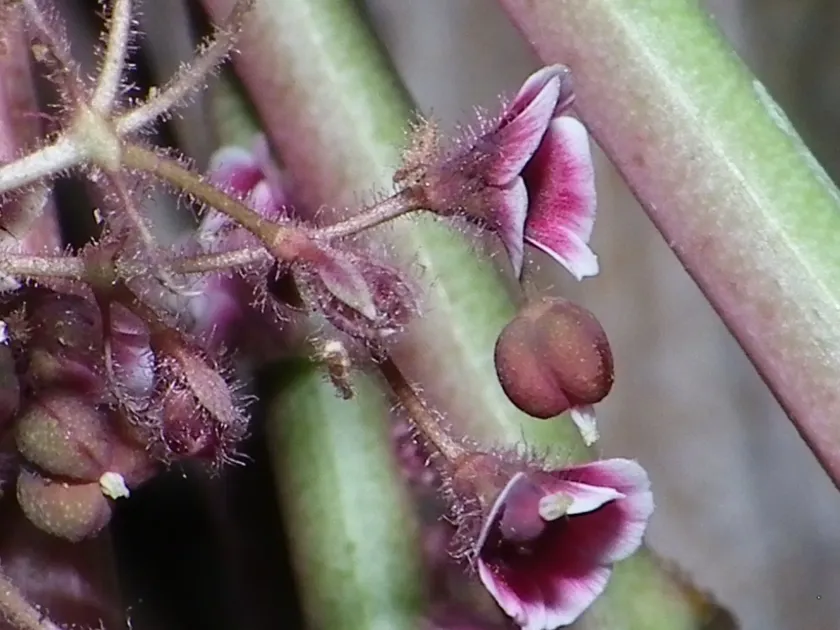
Description
Growing requirements
Euphorbia guiengola is a distinct succulent species belonging to the Euphorbiaceae family. It is native to the tropical dry forests and limestone regions of Oaxaca, Mexico, which significantly influences its specific cultivation requirements in non-native environments.
As a xerophytic plant, it has evolved to thrive in arid conditions. Its botanical structure includes specialized succulent stems that store moisture, allowing the plant to withstand extended periods of drought while maintaining its biological integrity.
Successful cultivation requires a highly porous and well-draining substrate. Growers should utilize mixtures consisting of coarse sand, pumice, or expanded clay to prevent water stagnation, which is the primary cause of decline for this species.
Environmental requirements include high light intensity, ideally direct sunlight for several hours a day. During the growing season, moderate watering is essential, but the substrate must be allowed to dry out completely before the next irrigation cycle.
In terms of agricultural and horticultural use, this species is primarily valued by collectors. Due to its sap, which can cause skin and eye irritation, it is vital to handle the plant with care, preferably using tools and protective equipment during any repotting or pruning.
Main diseases and pests
The most significant threat to Euphorbia guiengola is rot, primarily caused by fungal pathogens when the plant is kept in overly moist conditions. Proper ventilation and soil drainage are the most effective preventative measures against these pathogens.
Common pests that may affect the plant include mealybugs and spider mites. These pests thrive in dry indoor environments and should be managed with regular inspection and the application of appropriate horticultural oils or systemic insecticides if infestations are detected.