
Euphorbia graminea
Euphorbia graminea Jacq.
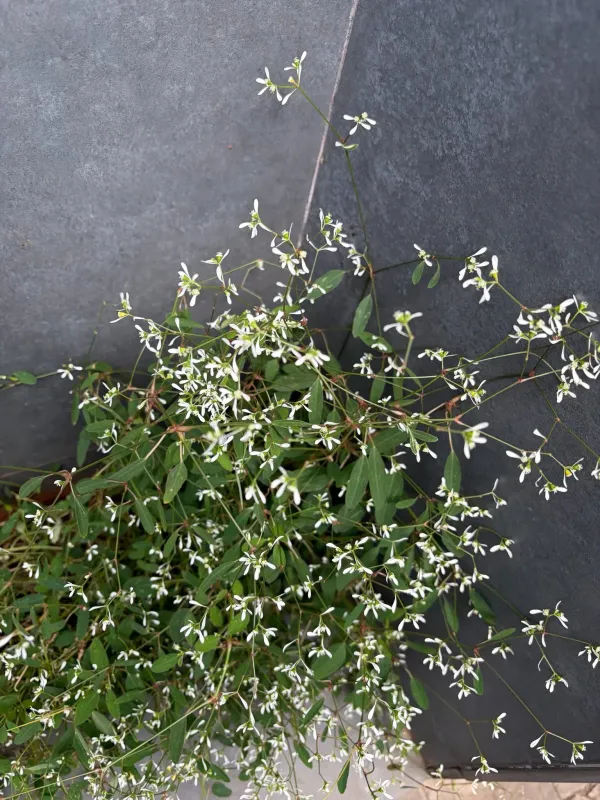
Description
Sowing dates
Euphorbia graminea is typically cultivated as an annual, requiring warmth to thrive. Seeds should be sown indoors in late winter or early spring, using a high-quality, sterile seed-starting mix to ensure a healthy start for the seedlings.
When sowing, it is crucial not to cover the seeds with soil, as they require light for successful germination. Maintaining a consistent temperature between 20°C and 22°C and high humidity is essential for uniform emergence of the sprouts.
Once seedlings have developed their first set of true leaves, they should be transplanted into individual containers to allow the root system to strengthen. This also helps in managing the plants before moving them to their final growing spot.
Outplanting in the garden must only occur after the danger of frost has passed. Euphorbia graminea is highly sensitive to cold soil temperatures, which can severely stunt the development of young plants during the establishment phase.
For container gardening, select a well-draining potting medium. Proper drainage is the most critical factor for this species, as it prevents water from pooling around the crown of the plant, which is the primary cause of early-season losses.
Growing requirements
Native to the Americas, this member of the Euphorbiaceae family thrives in bright, sunny locations. While it can tolerate partial shade, it performs best in full sun, which helps it maintain its dense, airy, and cloud-like growth habit.
The soil should be light, fertile, and well-drained. If the native soil is heavy or prone to waterlogging, it should be amended with organic matter or coarse sand to improve structure and aeration, ensuring the roots have access to oxygen.
Watering requirements are moderate; the soil should be kept consistently moist but never waterlogged. During periods of extreme heat, supplemental watering is necessary to prevent the plant from wilting and to keep the tiny flowers blooming profusely.
Fertilization with a balanced, water-soluble fertilizer applied every two to three weeks during the growing season will promote vigorous growth. Excessive nitrogen should be avoided to prevent leggy, weak stems that can lose their shape.
Regular pruning and pinching back of the tips are recommended to maintain a compact, rounded form. This practice encourages branching and results in a significantly fuller plant, making it an excellent choice for borders and hanging baskets.
Main diseases and pests
The primary threat to Euphorbia graminea is root rot, frequently caused by overwatering or poor soil drainage. If the plant shows signs of sudden wilting or yellowing, the watering frequency must be adjusted immediately to save the specimen.
Spider mites are common pests that thrive in dry environments. Monitoring the foliage, especially during hot and dry spells, is essential for early detection. If infestations occur, horticultural oils or insecticidal soaps can be effective.
Whiteflies can also affect the plants, particularly in greenhouse or indoor environments. Managing their populations requires keeping the foliage clean and ensuring that there is adequate airflow to prevent the buildup of pest colonies.
Powdery mildew may manifest as a white, dusty growth on the leaves if humidity levels are high and air circulation is poor. Proper spacing during planting significantly reduces the risk of fungal outbreaks within the ornamental bed.
The milky sap of this plant contains diterpene esters, which are skin irritants. It is imperative to wear protective gloves when pruning or handling the plant to prevent any skin contact or potential irritation from the toxic latex.