
Sweet Spurge
Euphorbia dulcis L.
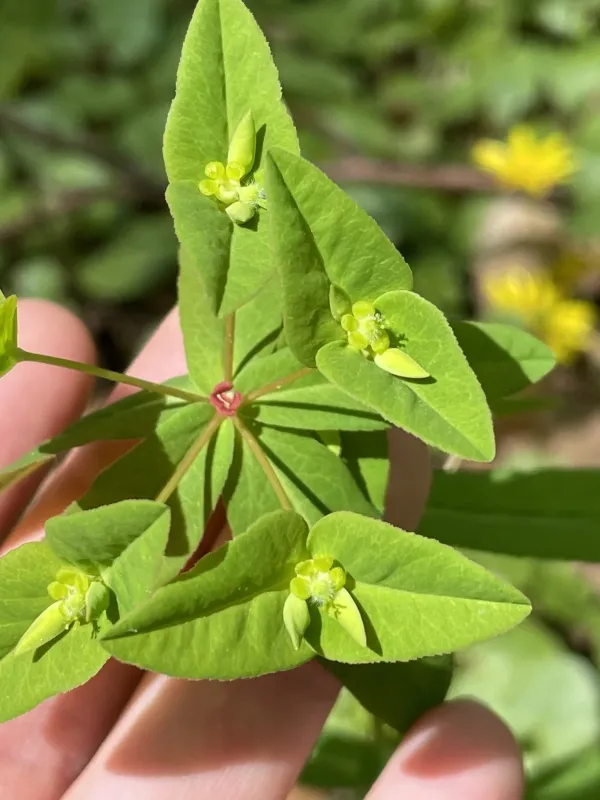
Description
Growing requirements
Euphorbia dulcis, commonly known as Sweet Spurge, is a perennial herbaceous plant belonging to the Euphorbiaceae family. It is native to Europe, naturally occurring in woodlands and shaded areas, which defines its specific ecological preferences regarding light and moisture levels.
The plant grows to a modest height of 20–40 cm, featuring an upright stem with distinctive oval leaves. A key botanical highlight is its blooming period, when the bracts turn a vibrant yellow-green, providing a bright visual contrast in woodland gardens or perennial borders.
Cultivation requirements involve fertile, well-draining soil that remains consistently moist but not waterlogged. The species thrives in partial shade, mimicking the dappled light of its natural woodland habitat. It is well-suited for temperate climates, demonstrating excellent winter hardiness.
In terms of agricultural and horticultural management, the plant requires minimal intervention once established. It spreads via rhizomes, which should be managed in smaller garden beds to prevent excessive crowding. Regular mulching can help retain soil moisture and suppress competitive weed growth.
The primary use of Euphorbia dulcis is decorative, particularly in landscape architecture. It is valued for its ability to brighten dark corners of a garden and serves as an excellent companion plant for other shade-loving perennials, such as hostas, ferns, and astilbes, creating lush, textured plantings.
Main diseases and pests
The most common threats to Sweet Spurge are fungal infections, specifically rust and various leaf spot diseases. These pathogens typically thrive in stagnant air or environments where overhead watering keeps the foliage wet for extended periods, creating an ideal climate for fungal development.
Insect pests include aphids and spider mites, which can cause significant damage to the plant's soft foliage. Infestations often occur during dry, warm periods, leading to stunted growth and a general decline in the plant's aesthetic appeal if left untreated by the gardener.
Effective management requires a combination of cultural practices and chemical interventions. Pruning away damaged or diseased foliage is essential to prevent the spread of infections. If pests are detected, the application of horticultural oils or appropriate systemic insecticides is recommended.
Prevention is centered on site selection and hygiene. Ensuring adequate spacing between plants allows for proper airflow, which significantly reduces the humidity levels around the stems and leaves, thereby minimizing the likelihood of fungal outbreaks throughout the growing season.
Regular monitoring of plant health, especially during the peak of summer, allows for early detection of issues. Maintaining soil fertility through the application of organic compost further supports the plant's natural resilience, enabling it to withstand minor pest pressures without losing vigor.