
Don's Spurge
Euphorbia donii Oudejans
Description
Growing requirements
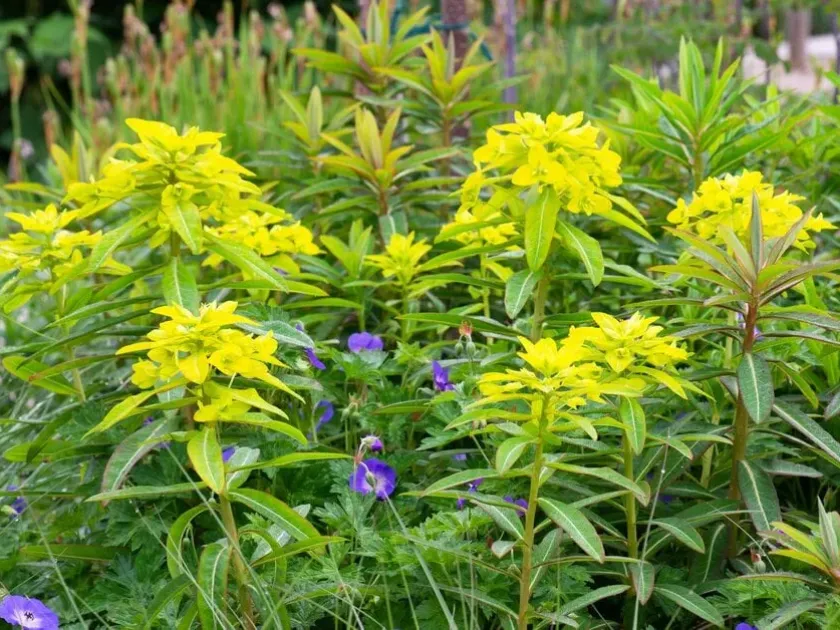
Don's Spurge (Euphorbia donii) is a distinct perennial herbaceous plant belonging to the Euphorbiaceae family. This species is recognized for its unique structural growth patterns and the presence of specialized latex sap common to the genus.
The native distribution of this plant is located in the high-altitude mountainous regions of the Himalayas. Cultivation requires recreating these specific environmental conditions to ensure healthy development and vigor.
The plant thrives in well-drained, porous soils that mimic rocky alpine substrates. It is essential to avoid heavy, clay-based soils that retain too much water, as this species is highly susceptible to root-zone hypoxia.
Regarding climate, Don's Spurge prefers cool conditions with significant temperature fluctuations between day and night. Providing sufficient light is crucial for maintaining the plant's structural integrity and preventing etiolation.
Agricultural management should focus on precise irrigation. During the growing season, moderate watering is required, but it must be significantly reduced during the dormant winter phase to prevent rot.
Main diseases and pests
Fungal diseases are the primary threat to the health of Don's Spurge. These infections often manifest in the roots and stem base, particularly when the ambient humidity is high and airflow is insufficient.
Pest infestations, including spider mites and mealybugs, are frequent challenges in the management of this species. These pests often exploit weakened plants and can quickly damage the foliage if not addressed immediately.
Effective management involves a strict sanitation protocol. Tools must be sterilized after use to prevent the transfer of pathogens through the plant's milky sap, which can act as a medium for certain microbes.
Prevention strategies rely on maintaining a clean growing environment and ensuring proper spacing between plants to maximize ventilation. Regular inspections for early signs of chlorosis or leaf curling are recommended.
When chemical intervention becomes necessary, the use of systemic fungicides or insecticides should be calibrated to the specific growth stage of the plant, ensuring minimal stress to the root system.