
Euphorbia dipladenia
Euphorbia dipladenia
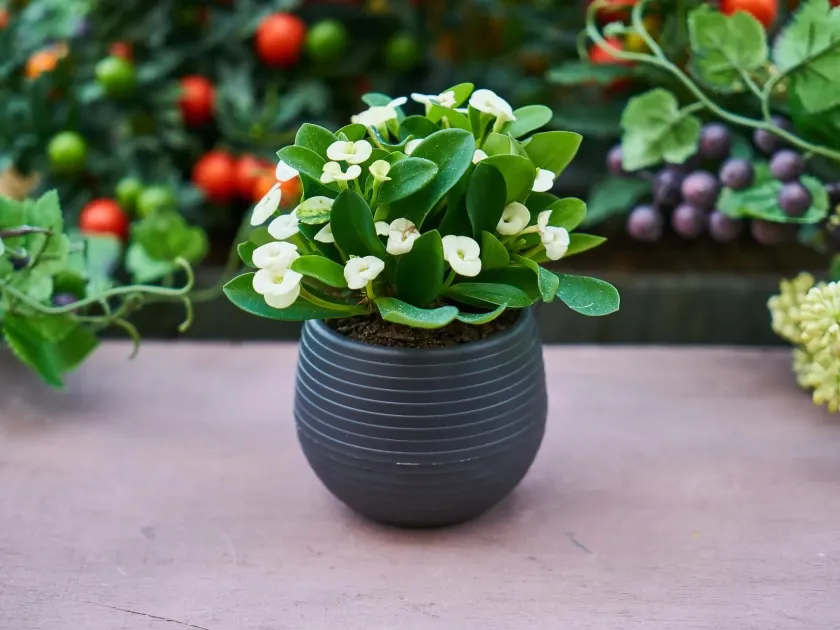
Description
Growing requirements
Euphorbia dipladenia is a notable succulent species within the Euphorbiaceae family. Native to arid regions, it has evolved specific physiological mechanisms to survive in environments where water availability is highly irregular and sunlight is intense.
The plant features distinct succulent stems that serve as primary reservoirs for moisture storage. Its botanical structure is optimized for minimizing transpiration, making it an excellent candidate for xeriscaping and sustainable horticulture in arid climates.
Optimal growth requires high light intensity, as the species relies on direct exposure to develop its characteristic structure. Temperatures should be maintained within the range of 20°C to 30°C to ensure vigorous physiological activity.
A well-draining soil mix is mandatory for this species. Commercial potting media for cacti and succulents, amended with coarse sand or pumice, typically provides the necessary aeration to prevent root rot and ensure healthy development.
Cultural management emphasizes the "soak and dry" method of irrigation. During the peak of summer, occasional deep watering is beneficial, while the dormant winter season requires almost complete water withdrawal to simulate natural environmental triggers.
Main diseases and pests
The primary agronomic threat to Euphorbia dipladenia is root decay, typically triggered by soil saturation or prolonged exposure to high humidity levels, which hampers gas exchange in the root zone.
Pests commonly associated with this plant include mealybugs and spider mites. These insects thrive in environments with poor air circulation or stressed plants, necessitating vigilant monitoring of stem crevices.
Control strategies involve the mechanical removal of pests and the application of targeted acaricides or insecticides when infestations are detected. All maintenance activities should be performed using gloves due to the irritant nature of the latex sap.
Biosecurity in the greenhouse includes quarantine protocols for new plants to avoid introducing pathogens, alongside frequent inspection of the stems for early signs of tissue necrosis.
Maintaining optimal spacing between specimens is crucial to ensure adequate air movement, which significantly reduces the probability of mold and fungus propagation within the plant canopy.