
Euphorbia cornastra
Euphorbia cornastra (Dressler) Radcl.-Sm.
Description
Growing requirements
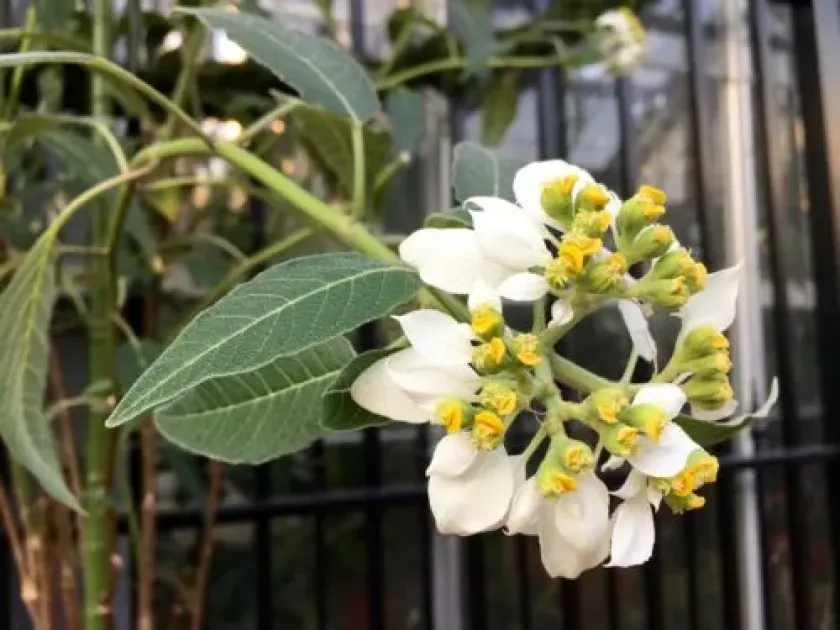
Euphorbia cornastra is a perennial shrub belonging to the Euphorbiaceae family. This species is native to the cloud forests of Guerrero, Mexico, which defines its preference for specific humidity and temperature ranges compared to desert-type spurges.
Botanically, it is recognized by its showy, leaf-like bracts that develop during the flowering stage. Its growth habit is typically shrubby, with slender branches that require adequate space for proper air circulation to prevent moisture retention.
Regarding climate requirements, it thrives best in bright, indirect light conditions. While it is not a high-light desert plant, it needs sufficient intensity to maintain compact growth and prevent etiolation during the winter months.
The soil should be a well-draining mix, typically composed of peat, pumice, and coarse sand. Because the roots are prone to oxygen deprivation, the potting medium must ensure rapid drainage and avoid compacting over time.
Cultivation practices involve a regular watering schedule during the active growing season, allowing the top portion of the soil to dry out between sessions. Fertilization should be balanced, provided in low concentrations to avoid salt buildup in the container.
Main diseases and pests
The most frequent pests affecting this plant include spider mites and mealybugs, which thrive in indoor environments. Early detection through regular leaf inspection is essential for controlling population outbreaks before they damage the foliage.
Root rot, caused by various oomycetes and fungi, is the primary disease threat. This usually results from overwatering or inadequate soil drainage, requiring immediate repotting into fresh, sterile, and dry substrate.
Botrytis, or gray mold, can affect the plant when humidity levels remain too high without proper ventilation. Ensuring good airflow is the most effective cultural strategy to mitigate the risk of fungal proliferation.
Fungal infections on stems are often transmitted through improper pruning techniques. Using sterilized tools for every cut is a mandatory requirement to maintain the plant's health and prevent systemic infection.
Chemical control measures should only be used as a last resort, following all safety labels. Protective equipment is always necessary, as the milky sap produced by the plant is caustic and can cause severe skin and eye irritation.