
Mediterranean spurge
Euphorbia characias L. x Euphorbia dulcis L.
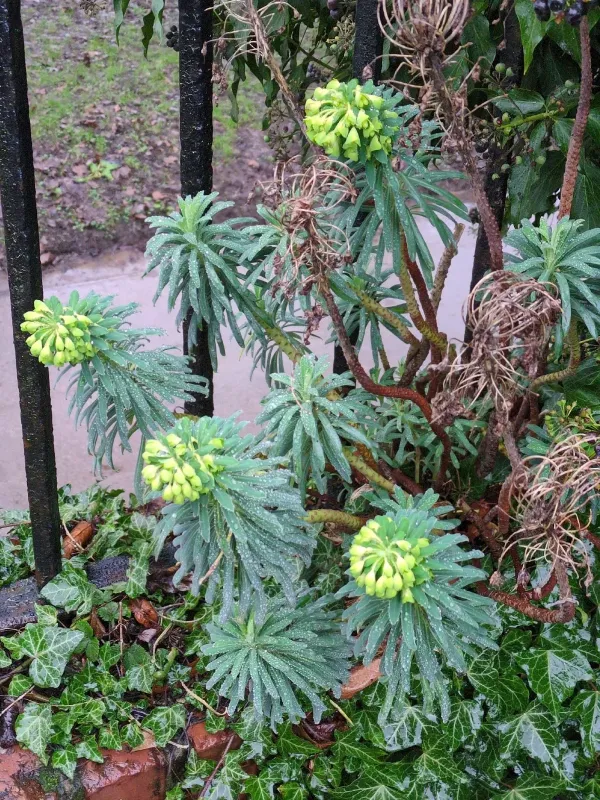
Description
Growing requirements
Mediterranean spurge (Euphorbia characias) is a robust, evergreen perennial shrub belonging to the Euphorbiaceae family. This species is highly valued for its striking architectural form and its unusual, long-lasting lime-green flower heads that appear in early spring.
The plant originates from the Mediterranean region, where it naturally thrives in rocky, sunny, and dry conditions. Due to this natural evolution, it is remarkably drought-tolerant and well-suited for xeriscaping or dry gardening environments that require minimal maintenance.
The primary soil requirement for this culture is excellent drainage. The species is highly susceptible to root rot if grown in heavy, waterlogged clay, therefore, sandy, loamy, or rocky soils with a slightly alkaline pH are considered ideal for its long-term health.
Regarding climate, Mediterranean spurge demands a position in full sun to maintain its compact, sturdy growth habit. In shaded environments, the stems tend to become leggy and weak, significantly diminishing the plant’s ornamental value and overall structural integrity.
The species demonstrates moderate hardiness, but it may require winter protection in colder climates to prevent the base of the stems from freezing. A layer of organic mulch applied during autumn can help stabilize ground temperatures and protect the root zone effectively.
Main diseases and pests
The most common disease affecting this crop is root rot, almost exclusively caused by excessive moisture or poor drainage. To prevent this, cultivators should avoid deep irrigation and ensure that the soil surface dries out adequately between watering sessions.
Aphids are the most frequent insect pests, often attacking the tender growth points and flower bracts. Using insecticidal soaps or systemic pesticides is recommended during the early stages of infestation to protect the integrity of the foliage and blooming structures.
Spider mites can also become a persistent issue during hot, dry summer months, leading to yellowing or speckling of the leaves. Maintaining good air circulation and occasionally misting the surrounding area can help mitigate the risk of mite proliferation.
Gardeners must be aware that all parts of the plant contain a milky sap that is toxic and highly irritating to skin and eyes. Protective gear, including gloves and long sleeves, is essential when pruning or handling the plant to prevent dermatological reactions.
Finally, keeping the planting site free from fallen debris and maintaining proper spacing between individuals is crucial. This cultural practice ensures adequate airflow, which is a major factor in reducing the incidence of fungal outbreaks in humid conditions.