
Eryngium ebracteatum
Eryngium ebracteatum Lam.
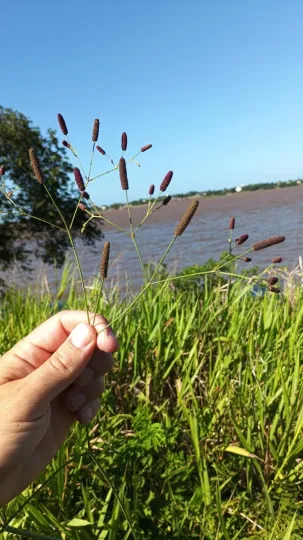
Description
Sowing dates
Sowing Eryngium ebracteatum should ideally be performed in early spring or late autumn. The seeds require a period of stratification to break dormancy, making outdoor sowing before winter a highly recommended practice for uniform germination.
Seeds should be covered with a thin layer of soil, approximately 1–2 centimeters deep. When planting in fields, maintaining a row spacing of 40 to 50 centimeters is essential to ensure adequate space for development and future maintenance operations.
For a controlled environment, starting seeds in containers indoors during late winter is viable. Pricking out seedlings into individual pots once the first true leaves emerge helps build a strong root system before the final transplanting stage.
In its first year, the plant grows slowly, focusing primarily on establishing a deep taproot. Growers should ensure the seedbed remains clear of competitive weeds, as young plants are quite vulnerable to overshadowing and nutrient theft.
Uniformity in seed distribution is important for high-yield stands. Proper preparation of the seedbed by breaking down soil clumps will significantly increase the germination rate and ensure a robust initial stand.
Growing requirements
Eryngium ebracteatum is a member of the Apiaceae family that thrives in sunny environments. It requires full sunlight to develop its characteristic structure and to maximize the concentration of valuable phytochemical compounds within the plant tissues.
The plant is highly adaptive to various soil conditions but shows a strong preference for well-draining, sandy, or light loam soils. Proper drainage is the most critical factor; waterlogging must be avoided to prevent root diseases.
This species is exceptionally drought-tolerant once established, thanks to its deep root architecture. It is an ideal crop for arid regions or areas with limited water resources, requiring minimal supplemental irrigation once mature.
The plant demonstrates excellent hardiness and can withstand cold winters without needing special protection. It is important, however, to keep the soil dry during late autumn to prevent freezing-induced root damage due to excess moisture.
Low-fertility soils are generally sufficient for this species, as high nutrient inputs often result in floppy growth and susceptibility to pathogens. Maintaining a neutral to slightly alkaline soil pH is generally considered optimal for sustained growth.
Main diseases and pests
Root rot is the most significant threat to the culture, especially in heavy or poorly drained soils. Implementing proper site selection with good drainage is the most effective preventative strategy against such fungal infections.
Powdery mildew may occur if the air circulation is inadequate, particularly in humid conditions. Thinning out the plants and ensuring adequate spacing between individual specimens are standard practices to maintain healthy foliage.
Aphids and spider mites are common pests that tend to feed on the tender young growth during warm, dry spells. Regular inspection is recommended, and if necessary, low-toxicity or organic insecticidal soaps can be used to manage populations.
Slugs and snails may occasionally graze on the foliage of young seedlings. Protecting the immediate perimeter with abrasive mulch or copper-based barriers can prevent these pests from reaching the vulnerable growth stages of the plant.
To ensure long-term phytosanitary safety, avoid planting Eryngium ebracteatum in areas previously occupied by other Apiaceae species. This rotation strategy reduces the risk of shared pest and disease accumulation in the soil profile.