
Rattlesnake Master
Eryngium yuccifolium Michx.
Description
Sowing dates
Seeds of Eryngium yuccifolium require a period of cold stratification to break dormancy. For the best results, sow seeds directly into the field in late autumn to experience winter temperatures.
When starting indoors, plant seeds in well-draining trays during late winter. Ensure the growing medium is kept moist but not waterlogged to support germination.
Light is essential for the germination of these seeds, so they should be sown on the surface of the soil with minimal covering. The temperature should be maintained around 20 degrees Celsius.
Seedlings emerge slowly and may take several weeks to establish a strong root system. Handle the young plants with care during transplanting as they develop a deep taproot.
When planting into the field, maintain a spacing of at least 45 centimeters to ensure good airflow. The plants prefer open, well-lit spaces where they can thrive without competition.
Growing requirements
Rattlesnake Master is a member of the Apiaceae family, originally from the prairies of North America. It is a highly resilient perennial adapted to extreme heat and dry conditions.
The plant thrives in full sun exposure. It adapts well to various soil types, ranging from sandy to clay-loam, provided that the drainage is excellent.
Due to its deep taproot, the plant is remarkably drought-tolerant once established. It requires very little supplemental water after the first growing season.
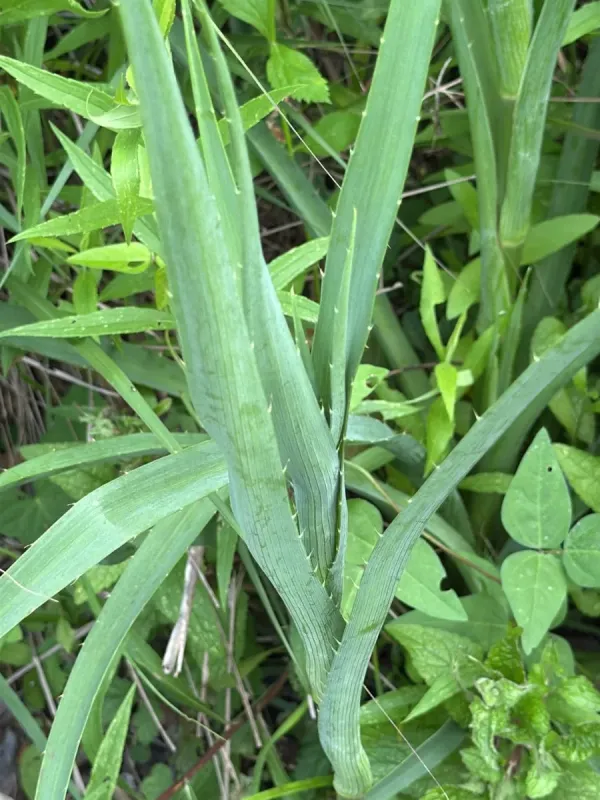
The foliage is distinctively yucca-like, composed of long, stiff, sword-shaped leaves that are blue-green in color. This structure makes the plant wind-resistant.
Fertilization should be avoided in most cases. Excess nutrients cause the stems to grow too tall and flop, reducing the ornamental and structural integrity of the plant.
Main diseases and pests
Root rot is the most significant threat to the crop, usually caused by stagnant water in heavy or poorly drained soils. Ensure proper soil structure before planting.
Aphids can occasionally colonize the flower heads during late spring. While rarely fatal, they can distort the development of the unique globose inflorescences.
Powdery mildew may occur in stagnant, humid environments. Thinning out the plantings is the most effective cultural method to prevent this condition from spreading.
Some larvae of lepidoptera may feed on the leaves, but typically not at levels that require chemical intervention unless the plants are being cultivated for seed production.
Regular weeding around the base of the plant is vital during the first year of growth, as the young sprouts are sensitive to being overgrown by fast-growing weeds.