
Alpine sea holly
Eryngium alpinum L.
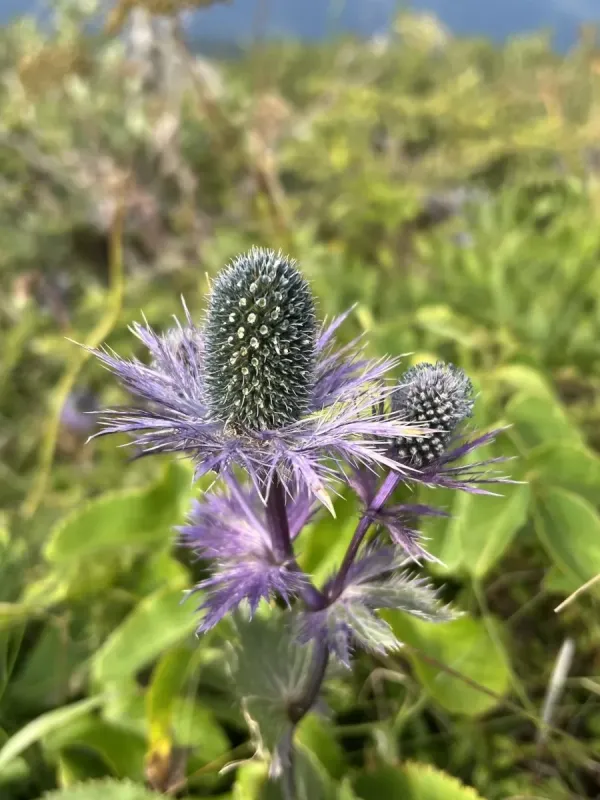
Description
Sowing dates
Alpine sea holly seeds require a period of cold stratification to break dormancy and ensure successful germination in the spring season.
Sowing in autumn directly into the garden beds allows for natural winter chilling, which is the most effective method for this perennial species.
When sowing in trays, seeds should be covered lightly with fine grit or compost to maintain adequate moisture levels while allowing air exchange.
Germination typically occurs within 4 to 8 weeks, provided the temperature remains cool; avoid placing seed trays in direct, scorching sunlight.
Once seedlings have developed two sets of true leaves, they should be hardened off before being transplanted into their final sunny positions.
Growing requirements
This member of the Apiaceae family thrives in full sun, which is critical for developing its distinctive metallic blue colour on bracts and stems.
Well-drained, nutrient-poor soil is ideal; the plant will struggle and potentially succumb to rot in heavy, waterlogged, or overly rich garden soils.
Eryngium alpinum is highly drought-tolerant once established, featuring a deep taproot that helps it survive extended dry periods in summer.
The plant is perfectly hardy and requires no winter protection, making it an excellent choice for low-maintenance landscaping and rock gardens.
Optimal spacing should be at least 45 cm apart to allow for proper airflow, which significantly reduces the risk of fungal diseases developing.
Main diseases and pests
Slugs and snails are the primary pests of young plants, frequently causing significant defoliation during the early spring growth phase.
Powdery mildew can become an issue in stagnant air conditions, necessitating careful site selection to ensure good ventilation around the foliage.
Root rot, driven by poor drainage, remains the most common threat and can quickly result in the death of established perennial clumps.
Aphids may occasionally colonize the tender tips of developing flower stems, though they rarely cause fatal damage to mature plants.
Monitoring for signs of wilting is essential, as prompt action can often save plants if soil moisture levels are adjusted before rot spreads.
Harvesting
Harvesting for fresh floral displays should be done when the flower heads are fully formed but before the small florets begin to shed pollen.
For dried floral arrangements, cut the stems when the colour of the bracts is most intense, then hang them upside down in a dark, dry room.
Seed collection is performed once the flower heads have dried on the stalk and turned a light brown, indicating full seed maturity.
Medicinal roots are typically harvested in late autumn when the plant's energy is stored below ground, ensuring high concentration of active compounds.
Properly cured and stored, the dried stalks of Alpine sea holly can maintain their architectural shape and colour for several years.