
Alpine sea holly
Eryngium alpinum L. x Eryngium planum L.
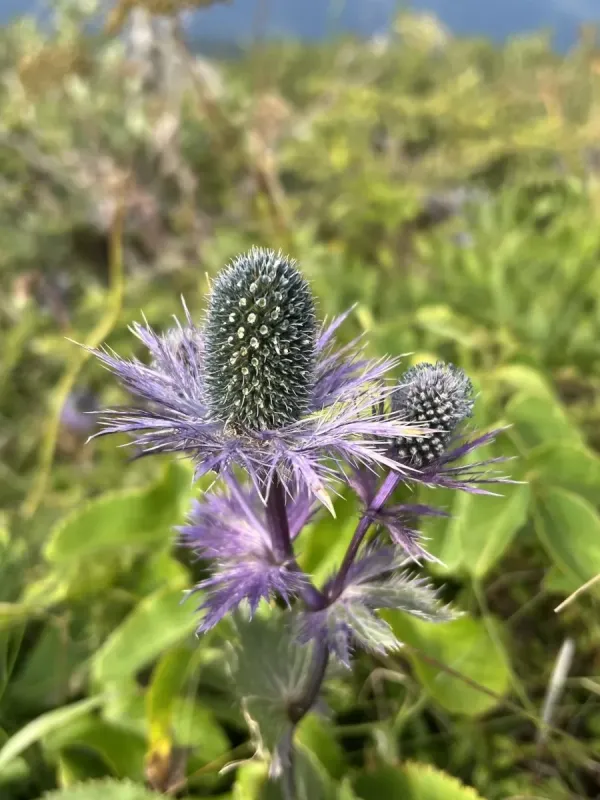
Description
Sowing dates
Seeds of the Alpine sea holly are best sown in autumn, as they require a period of cold stratification to break dormancy and ensure successful germination.
When sowing in spring, it is necessary to provide an artificial stratification period of at least six to eight weeks in a cold environment.
Using seed trays in a controlled greenhouse environment allows for better management of germination rates and protection from early spring frosts.
Seedlings should be thinned out or transplanted once they develop at least two true leaves, ensuring they have enough space for the strong taproot to form.
Spacing is essential for the long-term health of the plants, with a recommended distance of 45 centimeters between individuals to prevent overcrowding.
Growing requirements
Alpine sea holly belongs to the Apiaceae family and is highly valued for its striking, metallic-blue thistle-like blooms that add architecture to gardens.
The plant demands full sun exposure, which is critical for developing the intense coloration of the bracts and maintaining sturdy, upright stems.
Well-drained, nutrient-poor, or sandy soils are ideal, as they mimic the plant's natural alpine habitat and prevent the taproot from rotting.
It is remarkably drought-tolerant once established, requiring deep, infrequent watering only during exceptionally hot and dry summer spells.
Avoid heavy mulching directly against the crown of the plant, as excess moisture trapped in the foliage can encourage fungal growth during winter.
Main diseases and pests
The primary concern for this crop is fungal disease, particularly crown rot, caused by poor soil drainage and water accumulation during the dormant season.
Pests like aphids may occasionally infest young shoots, necessitating the use of mild insecticidal soaps if the infestation becomes significant.
To maintain a healthy crop, growers should implement a strict sanitation program, removing dead plant material before the spring growth starts.
Excessive humidity in the growing area must be managed through proper site selection and ensuring adequate airflow between individual plants.
Weed management is vital during the first year of growth, as the young sea holly plants are relatively slow-growing and can be easily outcompeted.
Harvesting
For the production of dried flowers, harvest should occur when the heads are fully mature and have reached their peak blue color intensity.
Cut the stems long and hang them in a dark, dry, and airy location to prevent the color from fading due to direct ultraviolet exposure.
Medicinal harvesting focuses on the root and leaf material, which should be collected during the active growing season before flowering peaks.
After harvesting for decorative use, the plants can be lightly pruned to encourage a cleaner appearance and reduce the spread of seeds if self-seeding is not desired.
Properly cured stems retain their structure and color for several years, making them an excellent choice for long-lasting floral arrangements.