
Erodium variabile
Erodium variabile
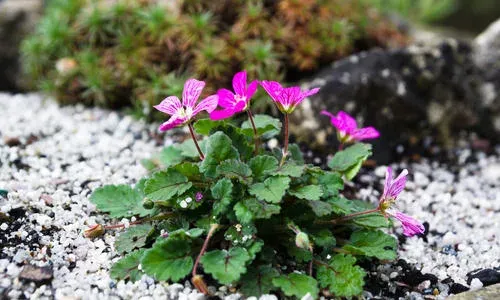
Description
Sowing dates
The propagation of Erodium variabile is typically achieved through seeds sown in early spring or late winter under controlled greenhouse conditions.
Fresh seeds benefit from a period of cold stratification, which mimics natural environmental conditions to break dormancy and ensure a uniform germination rate.
Seedlings should be kept in a well-lit environment to prevent them from becoming leggy, ensuring they grow into robust plants suitable for transplanting.
Pricking out the young plants into individual pots allows for stronger root development before they are hardened off and moved to their permanent outdoor location.
Spacing during planting is critical; allow sufficient room for the plant to spread, as its creeping habit makes it an excellent ground cover in suitable climates.
Growing requirements
Erodium variabile is a member of the Geraniaceae family, recognized for its low-growing foliage and prolonged blooming season in rock garden settings.
It thrives in full sun but can tolerate light shade; however, the best performance and flower density are achieved in areas with maximum direct sunlight exposure.
The soil must be exceptionally well-draining, such as sandy or gravelly mixtures, to avoid root rot, which is the primary cause of plant failure in this species.
This plant is moderately drought-tolerant once established, making it a sustainable choice for xeriscaping or areas where intensive irrigation is not feasible.
Regular deadheading of spent flowers can encourage a second wave of blooms, helping the plant maintain a tidy and attractive appearance throughout the summer.
Main diseases and pests
Fungal issues, such as crown rot or powdery mildew, are the most significant threats to Erodium variabile, often exacerbated by poor drainage and high humidity.
Ensuring adequate air circulation around the foliage is a key preventative measure, especially in gardens where plants are grown in close proximity to one another.
Common pests like aphids may occasionally infest the plant during the early growth phase, requiring prompt intervention with soap-based or chemical sprays.
Slugs and snails may damage the tender foliage during damp spring weather; using barriers or organic bait can effectively manage these populations.
Maintaining a clean growing area by removing decaying leaves and preventing weed competition ensures the plants remain vigorous and less susceptible to disease.