
Erodium beketowii
Erodium beketowii
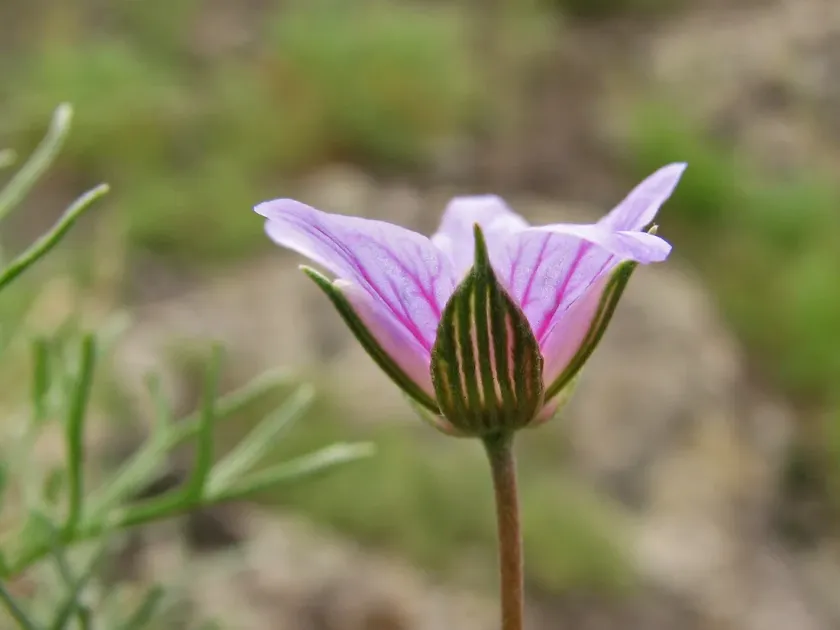
Description
Growing requirements
Erodium beketowii is a herbaceous perennial belonging to the Geraniaceae family. As a rare endemic species native to specific rocky habitats, it possesses unique physiological mechanisms that allow it to thrive in nutrient-poor and high-temperature environments.
The plant exhibits remarkable xerophytic adaptations, characterized by a deep taproot system and pubescence on the leaves, which significantly reduces transpiration. These features make it highly resilient to water scarcity in its natural geographic range.
Requirements for successful cultivation include highly permeable, stony, or sandy soils. Waterlogging is strictly prohibited, as the root system is highly susceptible to rot when exposed to stagnant moisture for even short periods.
Full sun exposure is an absolute necessity for Erodium beketowii. In an agricultural or nursery setting, the plant requires maximum solar radiation to maintain its compact growth form and to stimulate the development of reproductive shoots.
Soil chemistry should remain neutral to slightly alkaline. The use of concentrated nitrogen fertilizers is discouraged, as it promotes succulent vegetative growth at the expense of structural integrity and cold hardiness.
Main diseases and pests
The primary threat to Erodium beketowii under cultivation is root and crown rot, typically caused by improper drainage and excessively heavy soil textures that retain moisture.
Pest pressure is generally low due to the plant's specific chemical composition, yet generalist sap-sucking insects, such as aphids, can occasionally infest young shoots during periods of peak growth.
Competition from weeds represents a significant threat during the seedling stage. Due to the plant's slow initial growth rate, it can be easily smothered by faster-growing opportunistic weeds if not managed properly.
Fungal pathogens like powdery mildew can occur if there is insufficient air circulation around the foliage, especially in confined greenhouse or nursery environments.
Environmental stress, particularly unseasonal frosts combined with high moisture levels, can lead to physiological damage and death of the plant, necessitating protective measures in non-native climates.