
Erodium absinthoides
Erodium absinthoides
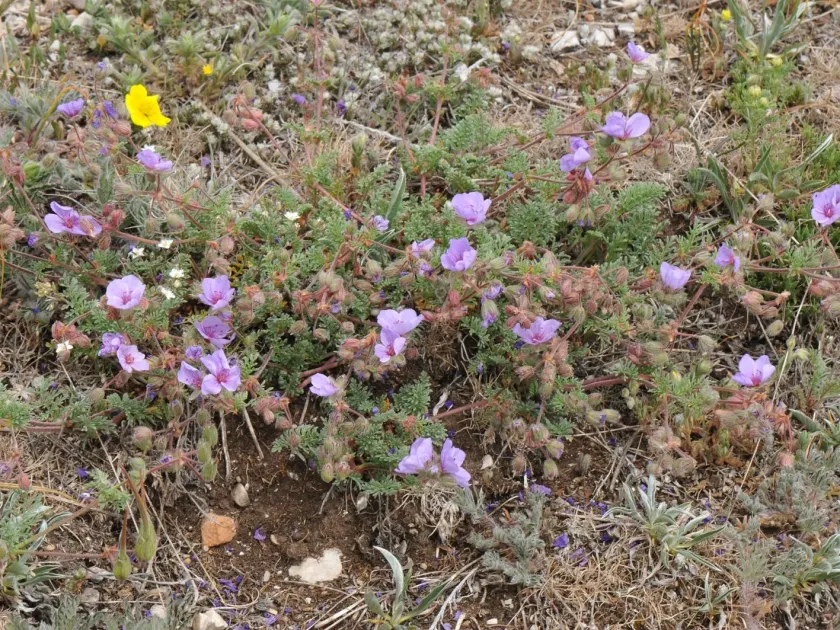
Description
Sowing dates
Sowing of Erodium absinthoides is typically performed in early spring as soon as soil conditions allow for proper tillage. The seeds should be sown in well-drained, porous media to ensure optimal moisture regulation during the germination phase.
For best results, place seeds on the surface and cover with a very thin layer of grit or sand. Light exposure is beneficial for germination, so burying them too deep is discouraged. Maintain temperatures around 15–20°C for consistent emergence.
Starting seeds indoors in late winter can provide a significant advantage for transplanting. Use modular trays to minimize root disturbance, as the plant develops a taproot that is sensitive to handling during the seedling stage.
When transplanting to the final site, ensure spacing of at least 30 centimeters between specimens. This allows for sufficient air circulation, which helps reduce the accumulation of humidity around the leaf rosettes.
Strategic sowing in early autumn is also possible in milder climates, allowing the seedlings to establish a strong root system before the onset of the summer heat, which ensures better survival rates in following years.
Growing requirements
Belonging to the Geraniaceae family, Erodium absinthoides is natively found in rocky and mountainous terrains. Consequently, it thrives in sandy, alkaline, or neutral soils with exceptional drainage characteristics.
Full sun exposure is mandatory for this species to maintain its characteristic compact, rosette-forming habit. In shaded environments, the plant tends to become leggy and fails to produce the desired intensity of blooms.
The plant is highly drought-tolerant once established. Its deep taproot allows it to survive long periods of dry weather, making it an excellent candidate for xeriscaping or low-maintenance gravel gardens.
Soil fertility should be kept relatively low. Excessive organic matter or fertilizer application often leads to rapid, weak growth that is more susceptible to frost damage and fungal pathogens.
Climate adaptability is one of its primary strengths, as the species is hardy across a wide range of temperatures. However, it requires a dry environment during the winter dormancy period to prevent root rot.
Main diseases and pests
Root rot, driven by stagnant water in the substrate, is the primary threat to the health of Erodium absinthoides. Ensuring correct drainage is the most effective preventative strategy for this issue.
Powdery mildew can emerge during periods of prolonged high humidity. Improving airflow around the plant and avoiding overhead irrigation are recommended practices to mitigate the spread of this fungal condition.
Aphids are common pests that target the inflorescences during the active growing season. Regular monitoring and application of soft soaps or biological control agents are effective in keeping their populations under control.
Spider mites may manifest during intense summer heat, particularly if the plant is under water stress. Managing soil moisture and localized treatment with acaricides can help protect the foliage.
Slugs and snails can be a nuisance for young seedlings. Utilizing coarse gravel or grit as a top dressing around the base of the plant acts as a deterrent and keeps the foliage dry, reducing the risk of damage.