
Erodium aethiopicum
Erodium aethiopicum
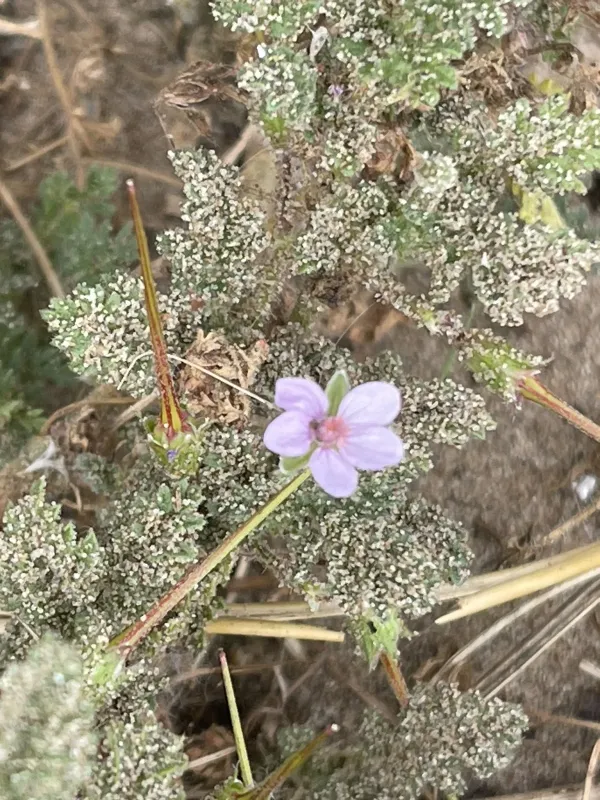
Description
Sowing dates
Sowing of Erodium aethiopicum is typically planned for the spring period when soil temperatures reach 8-10 degrees Celsius. To obtain uniform emergence, seeds require quality pre-sowing preparation, including cleaning from impurities and viability testing.
The planting depth of seeds in the soil ranges from 1 to 2 centimeters depending on the soil type. Lighter and sandy-loam substrates allow for slightly deeper sowing, while heavier soils require placing seeds closer to the surface.
The seeding rate is calculated based on the intended use of the crop, whether for seed production or green mass. Solid sowing requires a higher application rate to ensure stand density that effectively suppresses weeds.
An important step is soil rolling after sowing, which ensures the necessary contact between the seeds and the moist soil. This accelerates germination and minimizes the risk of the topsoil drying out under variable weather conditions.
The optimal sowing pattern involves using a wide-row method for seed production. This facilitates subsequent inter-row maintenance and promotes the formation of more robust reproductive stems.
Growing requirements
Erodium aethiopicum belongs to the Geraniaceae family and is a drought-tolerant plant adapted to climates with moisture deficits. Its deep root system allows it to effectively absorb water even during dry periods of vegetation.
The crop prefers well-lit areas with direct sunlight. A lack of sunlight leads to elongated stems and a significant decrease in green mass yield and seed productivity.
The plant has moderate requirements for soil conditions, preferring well-drained neutral or slightly alkaline loams. Waterlogging and standing water are detrimental to the root system, making it essential to choose sites with a low water table.
In its natural habitat, the species is associated with Mediterranean and African climate types. Therefore, successful cultivation requires a warm and long summer, avoiding late frosts during critical growth phases.
Agronomic practices include the timely application of mineral fertilizers. Phosphorus and potassium additives play a special role, enhancing the plant's resistance to adverse environmental factors and stimulating the development of reproductive organs.
Harvesting
Harvesting Erodium aethiopicum for green mass is carried out during the flowering phase when the plant possesses maximum nutritional value. In this period, protein content and beneficial trace elements reach peak levels for fodder usage.
Seed harvesting is performed when the majority of fruits turn brown, as seeds are prone to shedding when overripe. Mechanized harvesting requires precise combine settings to minimize crop losses.
After mowing, the mass must be subjected to rapid drying to avoid decay processes. The use of active ventilation allows for maintaining the quality of the harvested product in storage facilities.
Seed storage requires maintaining a moisture level of no more than 12-14%. Under these conditions, the sowing qualities of the material are preserved for several years without significant loss of viability.
When planning harvest schedules, agronomists take into account air humidity and temperature. It is optimal to start work in the morning hours when humidity has not yet fallen to extreme levels, reducing the risk of damaging brittle plant parts.