
Alpine storksbill
Erodium alpinum
Description
Growing requirements
The Alpine storksbill (Erodium alpinum) is a perennial herbaceous plant belonging to the Geraniaceae family. Native to mountainous regions, it has evolved to survive in challenging environments, characterized by rocky terrains and distinct seasonal temperature shifts.
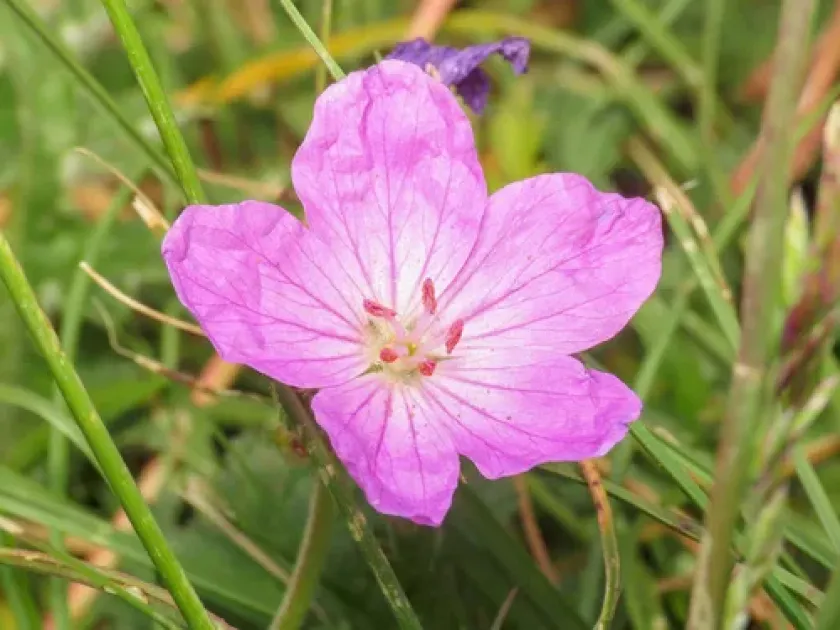
The botanical structure of this plant includes a sturdy taproot and a basal rosette of finely divided, often pubescent leaves. The reproductive organs consist of delicate flowers that typically exhibit shades of pink to deep purple, held on upright peduncles.
For successful agricultural cultivation, the species requires well-drained, porous soil with a neutral to slightly alkaline pH. It is essential to ensure that the site is free from water stagnation, as the root system is highly susceptible to decay when exposed to excessive moisture.
Light requirements are significant; Erodium alpinum thrives in full sun exposure. Adequate light intensity is necessary for compact growth and prolific flowering, which defines its visual appeal in ornamental gardening and landscape design applications.
The economic value of this crop is primarily decorative, as it serves as a staple component for rock gardens, screes, and alpine-style landscaping projects. Its ability to thrive in poor, stony soils makes it a resilient choice for sites that are unsuitable for traditional herbaceous crops.
Main diseases and pests
The primary threats to Erodium alpinum are fungal pathogens, particularly those triggered by high humidity levels and poor soil aeration. Root rot and powdery mildew are the most prevalent issues that can severely weaken the plant if left unchecked.
Pests such as aphids and spider mites represent a secondary threat, feeding on the succulent leaf tissues. Integrated pest management strategies, focusing on biological controls and maintaining proper plant spacing, are recommended to sustain healthy populations.
Preventive agricultural measures include ensuring correct drainage protocols and avoiding overhead irrigation during humid weather. Regular monitoring for early signs of infestation or fungal spread allows for targeted intervention with environmentally safe treatments.