
Erodium touchyanum
Erodium touchyanum
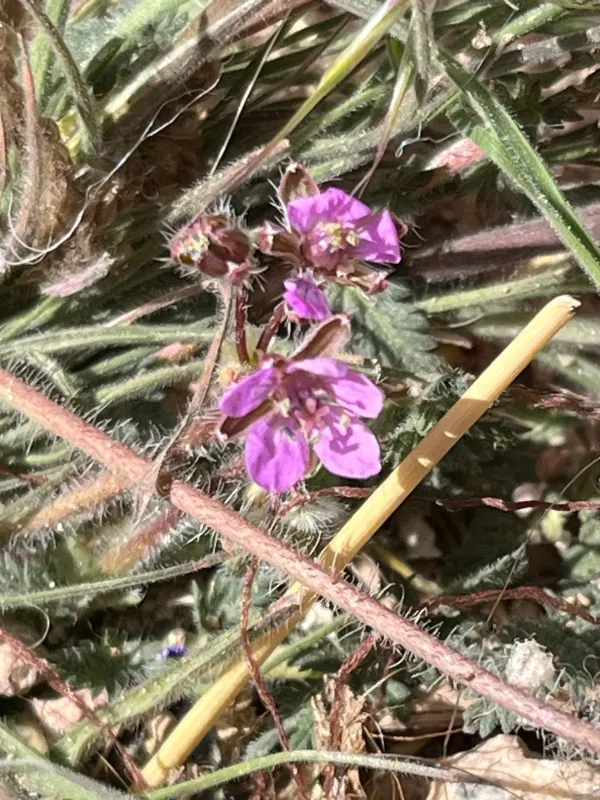
Description
Growing requirements
Erodium touchyanum is a specialized plant belonging to the Geraniaceae family. Its unique morphology makes it a subject of interest for both academic botanical study and niche cultivation efforts in specialized environments.
The plant thrives in well-drained, porous soils that mimic its native rocky or sandy habitats. It possesses a high tolerance for low-nutrient environments, making it efficient in terms of chemical input requirements.
Sunlight exposure is a critical factor for the development of Erodium touchyanum. It performs best in full sun, which prevents the etiolation of stems and ensures that the plant remains compact and healthy.
Climatic requirements focus on a balance of dry air and adequate solar thermal energy. The plant is well-adapted to environments where temperature fluctuations occur, which aids in its physiological resilience.
Agronomic management should prioritize moisture control. Irrigation must be applied carefully to avoid saturation, which is the primary cause of root degradation and subsequent loss of vigor in this culture.
Main diseases and pests
Fungal pathogens represent the most significant threat to the health of Erodium touchyanum, particularly when the soil drainage parameters are not properly met during the growth phase.
Spider mites are common pests that thrive in dry conditions and can cause significant damage to foliage by feeding on cell sap, leading to yellowing and plant decline.
Powdery mildew is a frequent issue, especially in dense or poorly ventilated stands. Proactive monitoring and improved airflow are essential strategies for mitigating this disease.
Root-knot nematodes can compromise the integrity of the plant's root system, making it essential to ensure the soil is pathogen-free prior to sowing the crop.
Effective pest management involves a combination of cultural practices, such as proper spacing and weeding, alongside targeted biological controls when infestations reach critical thresholds.