
Tel Aviv stork's bill
Erodium telavivense
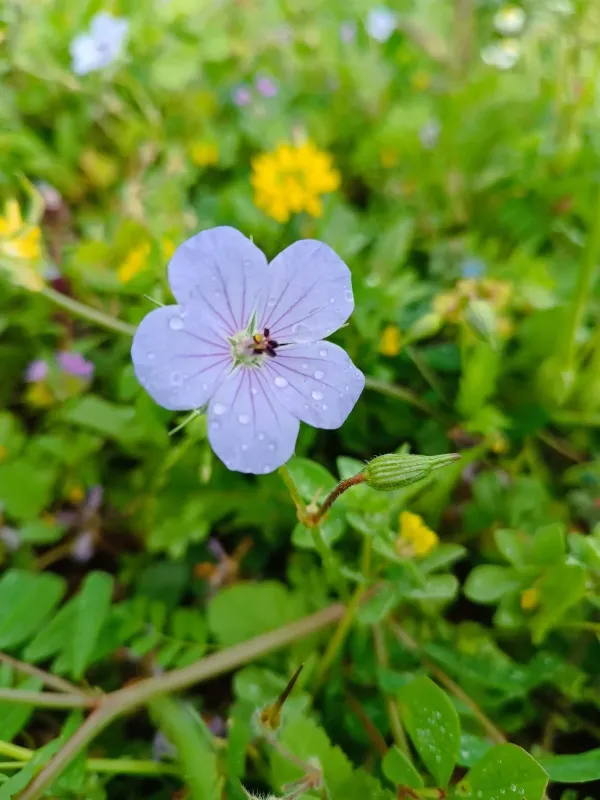
Description
Growing requirements
The Tel Aviv stork's bill (Erodium telavivense) is a member of the Geraniaceae family. This botanical species is native to specific Mediterranean coastal areas, showing unique morphological features.
This plant thrives in sandy or light loamy soils. It requires excellent drainage to prevent root rot, as the species is highly sensitive to waterlogged conditions throughout its lifecycle.
Optimal growth is observed in full-sun locations. The crop demands exposure to direct sunlight for the majority of the day to support its metabolic processes and overall plant health.
The climate requirements include warm, dry growing seasons with mild temperatures. It exhibits remarkable drought tolerance, which is essential for survival in its endemic geographical regions.
Agronomic management involves maintaining soil aeration and managing spacing to ensure proper air circulation. Cultivators should monitor irrigation closely to provide moisture only when the topsoil is dry.
Main diseases and pests
Common pests affecting this crop include aphids and spider mites. These insects tend to colonize the foliage, especially when the plant is under abiotic stress from high heat or dry air.
Fungal diseases, including powdery mildew and various leaf spot pathogens, are primary threats under high humidity conditions. Implementing protective measures is essential to preserve the plants.
Root rot caused by Oomycetes or other soil-borne fungi is a critical concern if the soil drainage is poor. Proper land preparation before sowing is the primary prevention strategy.
Competition from invasive weed species can stunt growth during the early vegetative stage. Manual or mechanical weeding between rows is recommended to ensure the crop establishes dominance.
Integrated pest management (IPM) practices should be followed to reduce reliance on chemicals. This includes rotating crops and using biological controls where feasible to ensure sustainable production.