
Erodium stephanianum
Erodium stephanianum
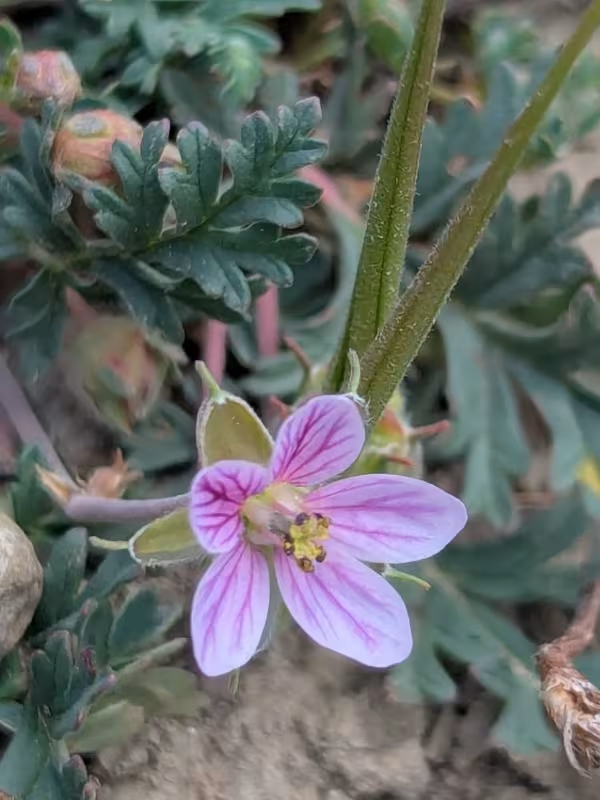
Description
Sowing dates
Erodium stephanianum is a biennial or perennial herbaceous plant belonging to the Geraniaceae family, known for its adaptability to various temperate climatic conditions.
Sowing should be performed in early spring as soon as the soil reaches a temperature of 8–10 degrees Celsius, which promotes rapid germination and establishment.
Seeds are sown at a shallow depth of 1–2 centimeters, as deeper placement may prevent the small seeds from reaching the soil surface successfully.
The standard row spacing is approximately 45 centimeters to ensure adequate space for growth and mechanical inter-row cultivation for weed control.
Selecting high-quality seeds with proven germination vigor is essential for establishing a uniform field stand, which directly impacts overall productivity.
Growing requirements
The crop thrives in fertile, well-drained loamy or sandy loam soils, preferring a neutral pH level for optimal nutrient uptake and root development.
It displays remarkable drought tolerance once established, thanks to a deep taproot system, although irrigation is beneficial during the early vegetative stage.
Abundant sunlight is necessary to promote the synthesis of medicinal compounds; therefore, fields should be situated in open, non-shaded areas.
Soil nutrient management focuses on balanced fertilization, with particular emphasis on phosphorus and potassium to strengthen plant resilience.
Crop rotation is vital; avoiding the cultivation of Geraniaceae species on the same field for consecutive years minimizes soil-borne disease pressure.
Yield
Yield capacity of Erodium stephanianum is determined by soil fertility, plant density, and consistent management practices throughout the growing season.
The main commercial product is the dried above-ground biomass, which is harvested and processed for use in the pharmaceutical and herbal medicine sectors.
Optimal timing for harvest is crucial to maximize the concentration of active ingredients like flavonoids and tannins, which peak during full flowering.
Under optimal agricultural conditions, the crop can produce multiple tons of dried herb per hectare, providing a viable option for specialized producers.
Productivity remains stable if moisture levels are maintained, especially in the phases immediately following the emergence of the seedlings.
Main diseases and pests
The primary threats include fungal diseases such as root rot and powdery mildew, which thrive in conditions of high humidity and poor air circulation.
Pests like aphids can cause significant damage by feeding on young foliage, potentially leading to stunted growth and reduced leaf quality.
Sustainable pest management strategies are preferred, emphasizing natural controls and avoiding broad-spectrum synthetic pesticides in medicinal crops.
Field sanitation is a critical aspect of disease prevention; removing crop residues after harvest helps break the cycle of pathogens and insect pests.
Effective weed management during the first few weeks is crucial, as the young seedlings are susceptible to competition from faster-growing species.
Harvesting
Harvesting should be performed by mechanical mowing during the peak flowering stage, ensuring the plants are cut before they form mature seeds.
Immediately after cutting, the material must be processed or dried to prevent spoilage, as the high moisture content can lead to rapid fungal growth.
Drying is best accomplished in shaded, well-ventilated structures or industrial driers at temperatures strictly controlled below 45 degrees Celsius.
Once dried, the product should be baled or packaged and stored in cool, dark environments to maintain the integrity of its active biological compounds.
Proper harvest logistics, including the quick transit of biomass to the drying facility, are essential for maintaining a high-quality final product.