
Salzmann's stork's-bill
Erodium salzmannii
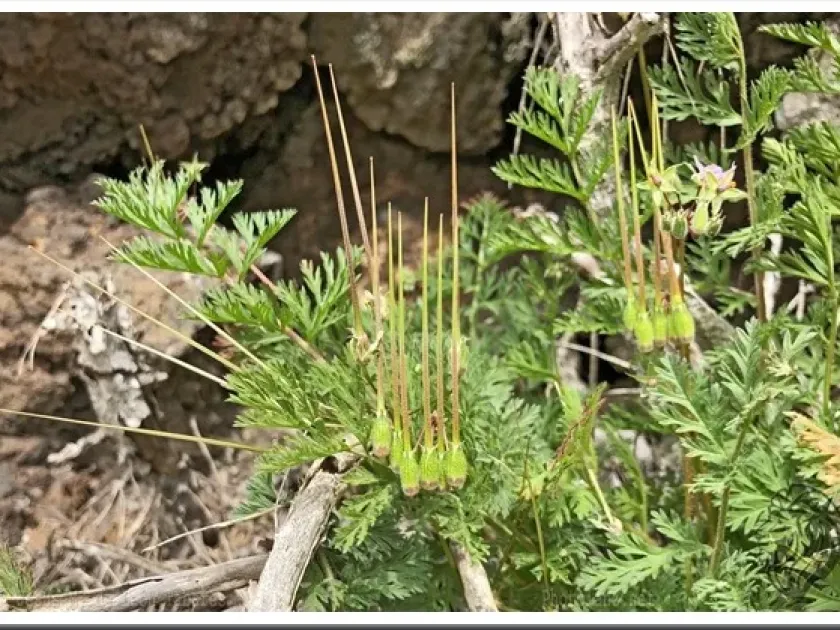
Description
Sowing dates
Sowing of this crop is recommended during the autumn period or early spring, immediately after the snow cover has melted. The seeds exhibit high germination energy when kept at stable temperature ranges of 15-18 degrees Celsius.
To ensure uniform emergence, seeds should be sown at a depth of no more than 1-2 centimeters. It is important to avoid compacting the topsoil to prevent obstruction of young seedling development.
In commercial cultivation, both row sowing and cluster planting methods are practiced. The choice of method depends on the fertility of the site and the intended density of the plant stand per unit area.
Pre-sowing preparation includes stratification of the seeds, which significantly increases the percentage of field germination in temperate climates. The use of high-quality seed material is a prerequisite for successful grassland formation.
The optimal layout for plant spacing involves maintaining a distance of up to 30 centimeters between rows to ensure sufficient illumination and ventilation for each individual plant.
Growing requirements
Salzmann's stork's-bill, belonging to the Geraniaceae family, is a typical representative of Mediterranean flora. The plant prefers open, well-lit areas with light, well-drained soils.
The crop demonstrates high resistance to drought periods and is capable of adapting to nutrient-poor rocky or sandy substrates. A neutral or slightly alkaline soil reaction is most favorable for its growth.
The plant does not tolerate stagnant moisture in the root zone, which can lead to the development of root rots. Therefore, when choosing a plot, one should avoid lowlands and areas with high water tables.
Moderate temperatures during the growing season are required for the full development of the crop. High solar radiation contributes to more intensive flowering and the accumulation of biologically active substances in the aerial parts.
In regions with harsh winters, the crop requires additional protection as it does not possess high winter hardiness. Using a layer of mulch helps protect the root system from critical temperatures.
Main diseases and pests
The main threat to this crop is posed by fungal diseases that develop under conditions of high air humidity. Powdery mildew can affect the leaves, significantly reducing both the aesthetic and physiological vitality of the plants.
Pests such as spider mites may attack crops during periods of prolonged heat. Regular phytosanitary monitoring allows for timely detection of infestation hotspots and the implementation of protective measures.
Root rot, caused by pathogenic fungi from the Phytophthora genus, is a common cause of seedling death when irrigation regimes are neglected. Adherence to crop rotation rules helps minimize the risks of pathogen accumulation in the soil.
To prevent the spread of pests, timely weeding and the removal of plant debris, which can serve as reservoirs for disease agents, are highly recommended.
The application of biological fungicides is the preferred method for controlling pathogens, as this approach maintains the ecological purity of the harvested biomass.